

Long before meticulously plated avocado toast took over our feeds, before latte foam was shaped into art, and before candlelit charcuterie boards became declarations of aesthetic identity, the meals that stayed with us were never photographed — they were imagined. They lived in pages, not on plates.
It was literature that first seduced our senses.
Before we could pronounce “gastronomy,” Roald Dahl had already whisked us into his candied universe in *Charlie and the Chocolate Factory*. A river of molten chocolate, marshmallow-soft pillows, nut-sorting squirrels — more than children’s fantasy, it was sensory chaos in the sweetest form. Close behind were the butter-slicked, crumb-dusted worlds of Enid Blyton. Her midnight feasts, potted meat sandwiches, treacle tarts, and lashings of ginger beer continue to linger like warm scones just out of the oven. In her world, food wasn’t garnish — it was the flavour of childhood.
As we grew older, our literary cravings matured too, but the bond between story and sustenance stayed. In Eat, Pray, Love, Elizabeth Gilbert made it vital to fall hopelessly in love with a pizza in Naples. Her unfiltered devotion to pasta, gelato, and pleasure inspired a generation of women to travel alone, eat boldly, and reclaim hunger as a spiritual act. The memoir didn’t just stir hearts — it spiked tourism across Italy’s sun-kissed coastlines. Food was no longer backdrop; it was transformation.
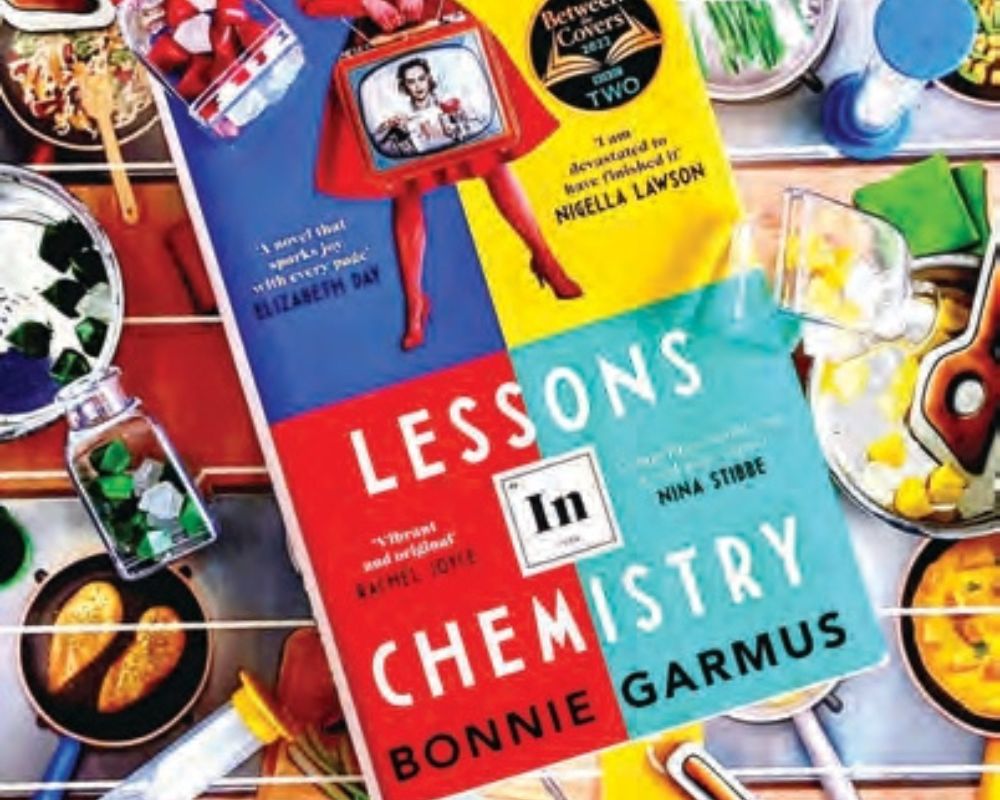
Then came Elizabeth Zott, the brilliant, rebellious chemist of Lessons in Chemistry. On her show Supper at Six, she stirred more than sauces — she stirred society. Every perfectly folded omelette doubled as a feminist argument. Her kitchen became a laboratory of resistance.
Literature has always known how to make us feel full. In Laura Esquivel’s Like Water for Chocolate, food is pure emotion. Tita’s longing, passion, and heartbreak soak into her cooking, altering the hearts and bodies of those who eat it. Meals become magical, dangerous, alchemical.
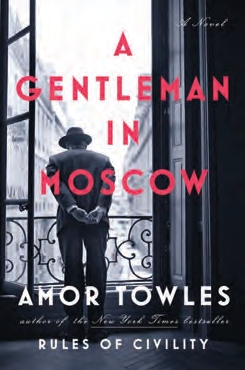
Or take the elegant restraint of A Gentleman in Moscow by Amor Towles. Even under house arrest in the Metropol Hotel, Count Rostov savours life through Latvian stews, vintage wines, and quiet culinary luxuries. Meals become acts of grace — and sometimes rebellion.
And today, if you want to pair your reading with rosé, Delhi is fully fluent in the global book-café aesthetic. The Grammar Room in Mehrauli offers sunlit corners perfect for disappearing into Woolf or Ottolenghi. Kunzum in Hauz Khas mixes espresso with ideology as the city’s thinkers huddle over paperbacks. Meanwhile, Perch Wine & Coffee Bar effortlessly blends fiction with fermentation — ideal for a long read and a longer pour.
For many who haven’t travelled far, literature becomes the most accessible passport to the world’s kitchens. Through its pages we’ve tasted French pastries, Turkish breakfasts, Japanese bento boxes, Southern soul food. Stories remind us that food, like fiction, transcends borders. It comforts, confronts, and connects.
Because the most exquisite meals are often the ones we first tasted with our eyes closed and a book wide open.
Perhaps it’s because food in literature mirrors the way we eat in life — not just out of hunger, but out of emotion. We eat to celebrate, to mourn, to remember, to belong. Emotional eating isn’t a weakness; it’s an instinct. The written word becomes sensorial. It fills more than the stomach — it stirs the soul.
As Virginia Woolf wrote in A Room of One’s Own:
“One cannot think well, love well, sleep well, if one has not dined well.”
📚 Read all articles by this author


Leave a Reply