

Hojicha is the quiet revelation of Japan’s tea culture—a roasted green tea that calms rather than energises. Created by roasting green tea leaves, stems, and twigs, hojicha sheds the grassy sharpness typical of green teas, replacing it with warm, smoky, almost chocolate-like notes.
The roasting process also dramatically reduces caffeine, making it an ideal evening drink for anxious palates or anyone seeking comfort without the jolt.

First developed in Kyoto in the 1920s as a practical way to use leftover tea leaves, hojicha was once considered an everyday staple. Today, it has been reimagined by specialty cafés and fine-dining kitchens around the world.
From hojicha lattes and soft-serve to tiramisu and delicate pastries, its toasty depth lends a refined, grown-up complexity. In a culture obsessed with boldness and intensity, hojicha’s appeal lies in its restraint—a slow, grounding ritual that invites pause.
Ube’s Sweet Takeover
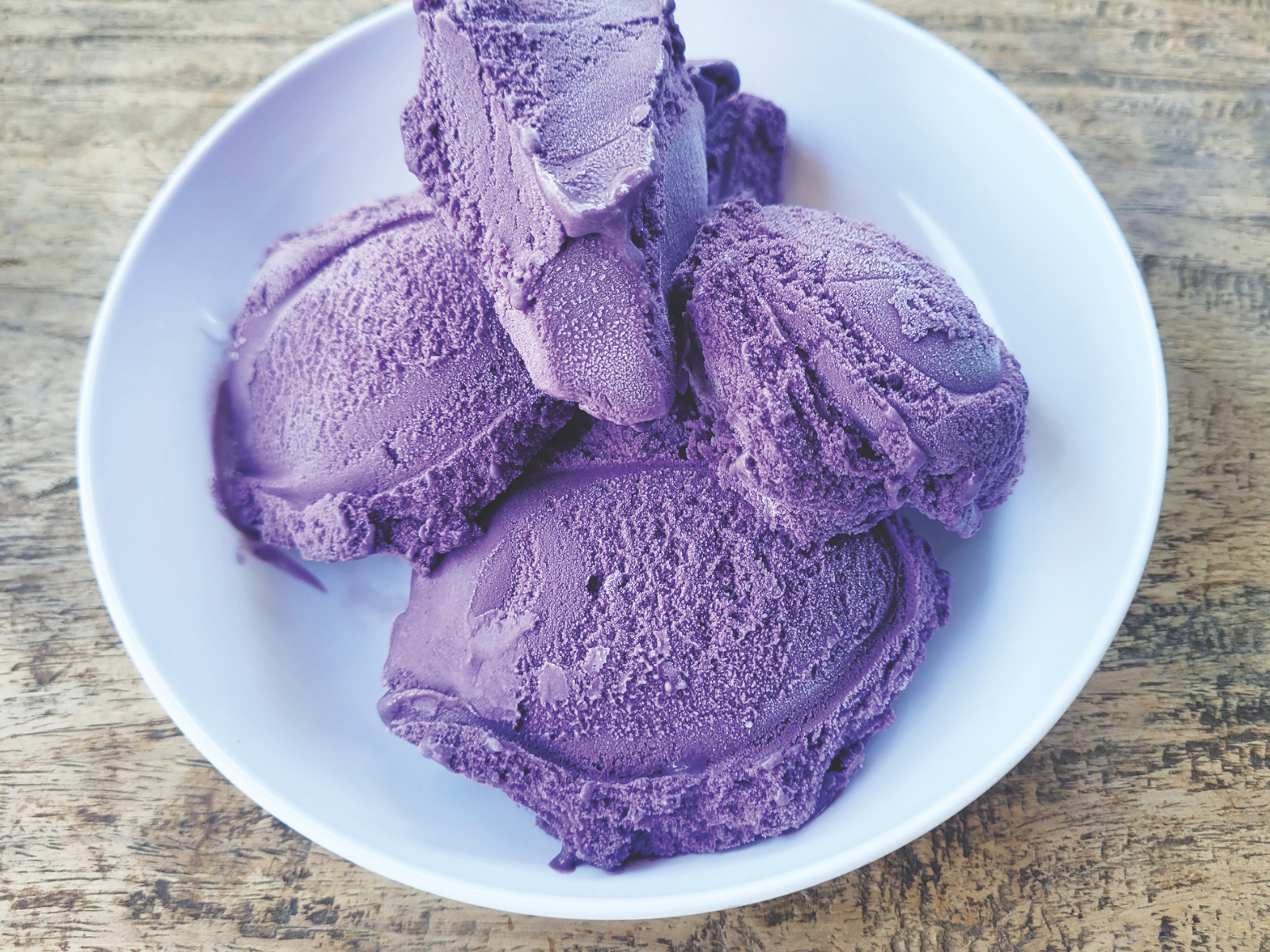
If hojicha whispers, ube captivates. The vivid purple yam native to the Philippines has become one of global food culture’s most recognisable ingredients. While its striking lavender hue has earned it social-media fame, ube’s staying power lies in its flavour: gently sweet and nutty, with soft notes of vanilla, coconut, and pistachio.
In Filipino kitchens, ube has long been central to beloved classics such as ube halaya and ube ice cream—dishes steeped in memory and tradition. Today, that same flavour appears in croissants, cheesecakes, lattes, and artisanal breads across cities from New York to Mumbai.
Ube’s enduring appeal comes from its ability to bridge heritage and modernity—deeply rooted in cultural identity yet effortlessly adaptable. In a world constantly chasing the new, ube reminds us that the most compelling trends often begin at home.
📚 Read all articles by this author



Leave a Reply