

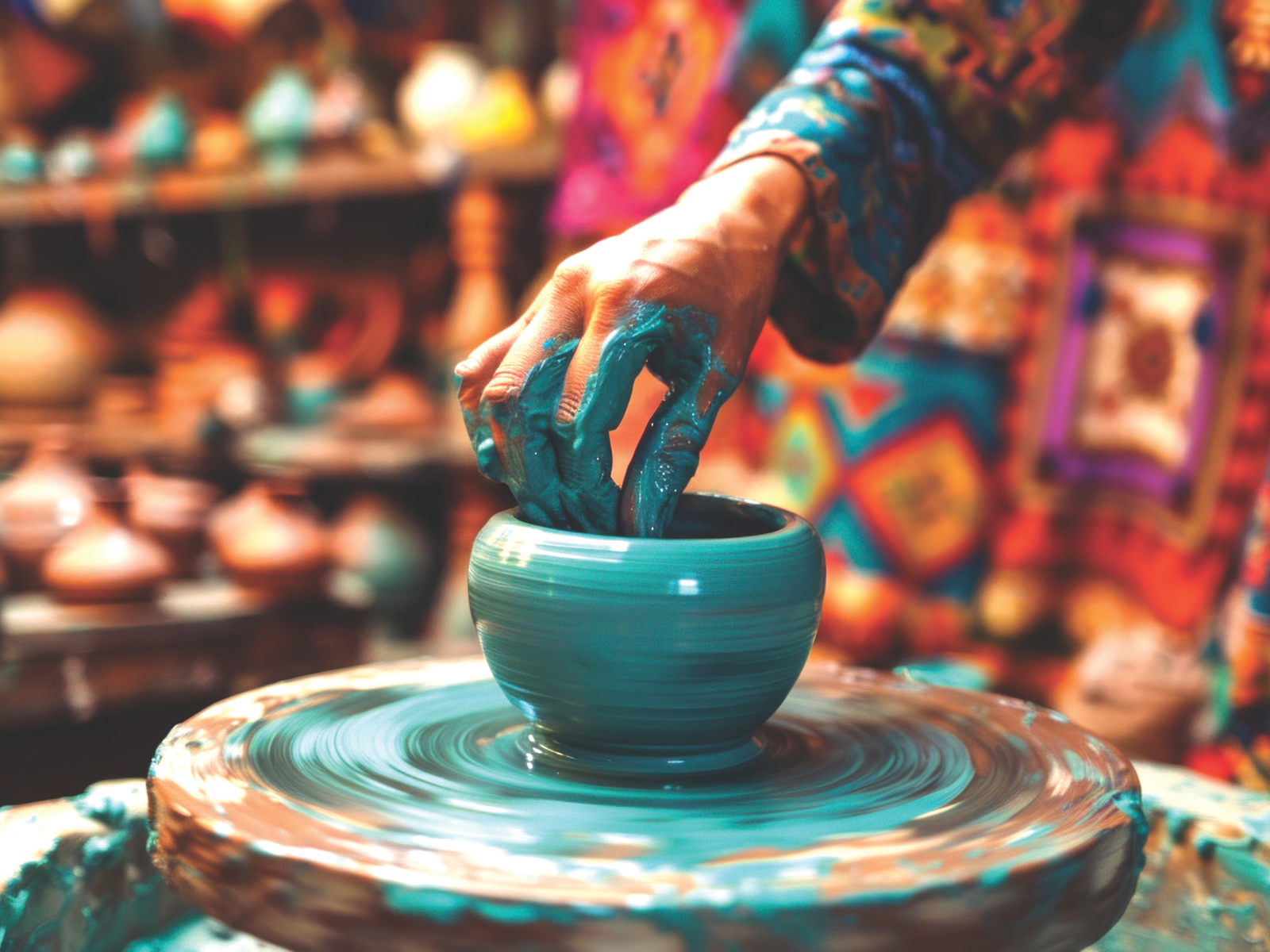
In a time when luxury once announced itself through monograms and gleaming logos, status has learned to whisper. Today’s elite are less concerned with displaying wealth than with expressing discernment—through the subdued sheen of hand-hammered silver, the measured drape of a Banarasi sari woven over months, or the gentle wear of an object shaped by human hands. Refinement now resides not in branding, but in craftsmanship.
Across fashion, jewellery and interiors, conspicuous consumption is steadily yielding to a more reflective ethos. The faultless precision of machine-made luxury has begun to feel impersonal; in its place, buyers are drawn to irregular selvedges, uneven weaves and subtle asymmetries that signal the presence of a maker. A Jaipur-crafted silver cuff with minor imperfections, or a Chanderi sari that resists uniform texture, holds a value no factory can replicate. Provenance, process and narrative have emerged as the new symbols of prestige.
This shift is not a fleeting trend but a conscious resistance to the homogeneity of global fast luxury. Millennials and Gen Z inheritors, weary of endless drops and disposable aesthetics, are embracing “slow luxury”—objects grounded in heritage, sustainability and longevity.
India’s handloom sector stands at the heart of this movement. Valued at USD 358.2 million in 2024, it is projected to grow to USD 779.71 million by 2033, reflecting renewed faith in traditional production systems.

Urban consumers are increasingly investing in ethical heirlooms such as Telangana’s Pochampally ikat and Gujarat’s Kutch embroidery—pieces that sustain living traditions rather than anonymous supply chains. Jewellery mirrors this trajectory.
Globally, the handmade jewellery market is expected to reach USD 39.60 billion by 2026, driven by demand for designs shaped by centuries-old techniques and artisanal knowledge.
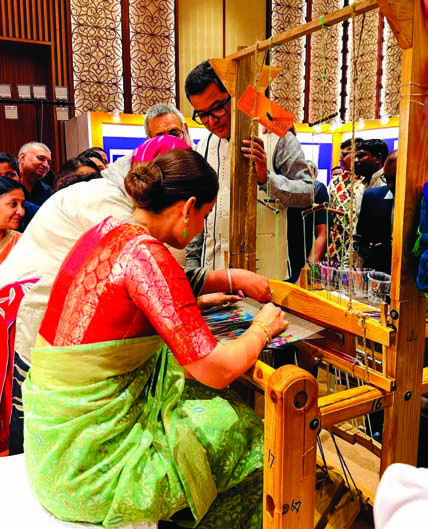
Digital platforms and artisan-led collectives including Tribes India, Okhai and Gaatha have helped bridge the gap between rural makers and metropolitan buyers, transforming authenticity into something both attainable and aspirational.
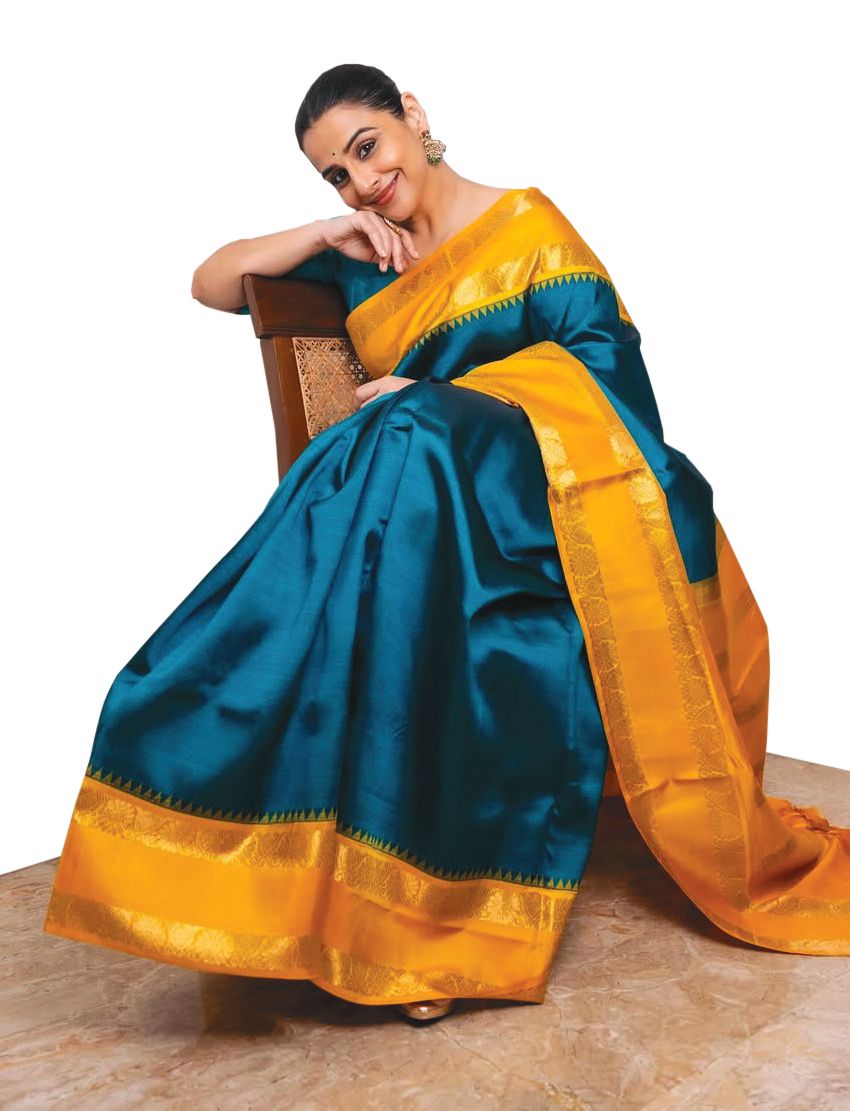
Celebrity patronage has further propelled this aesthetic into the mainstream. Red carpets now double as understated showcases for craft: Sonam Kapoor Ahuja’s handwoven saris, Deepika Padukone’s Banarasi silks, and Vidya Balan and Kangana Ranaut’s continued support of Bengal cottons and Odisha ikat have reframed tradition as modern glamour rather than nostalgic indulgence. Stylists like Rhea Kapoor have reinforced this shift by pairing heritage textiles with global couture, proving Indian craftsmanship can command the world’s most scrutinised stages.
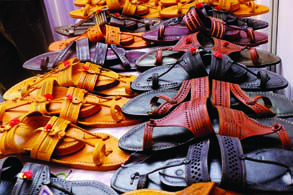
International luxury houses have taken note. Dior’s Fall 2023 show at Mumbai’s Gateway of India—its first in the country—featured 25 Indian embroidery techniques, signalling a recognition of India’s artisanal depth. Hermès has similarly drawn from Indian ateliers. Yet not all engagements have been without controversy; the Prada–Kolhapuri episode highlighted ongoing tensions around credit, ownership and cultural erasure.
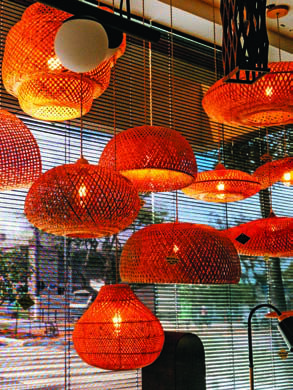
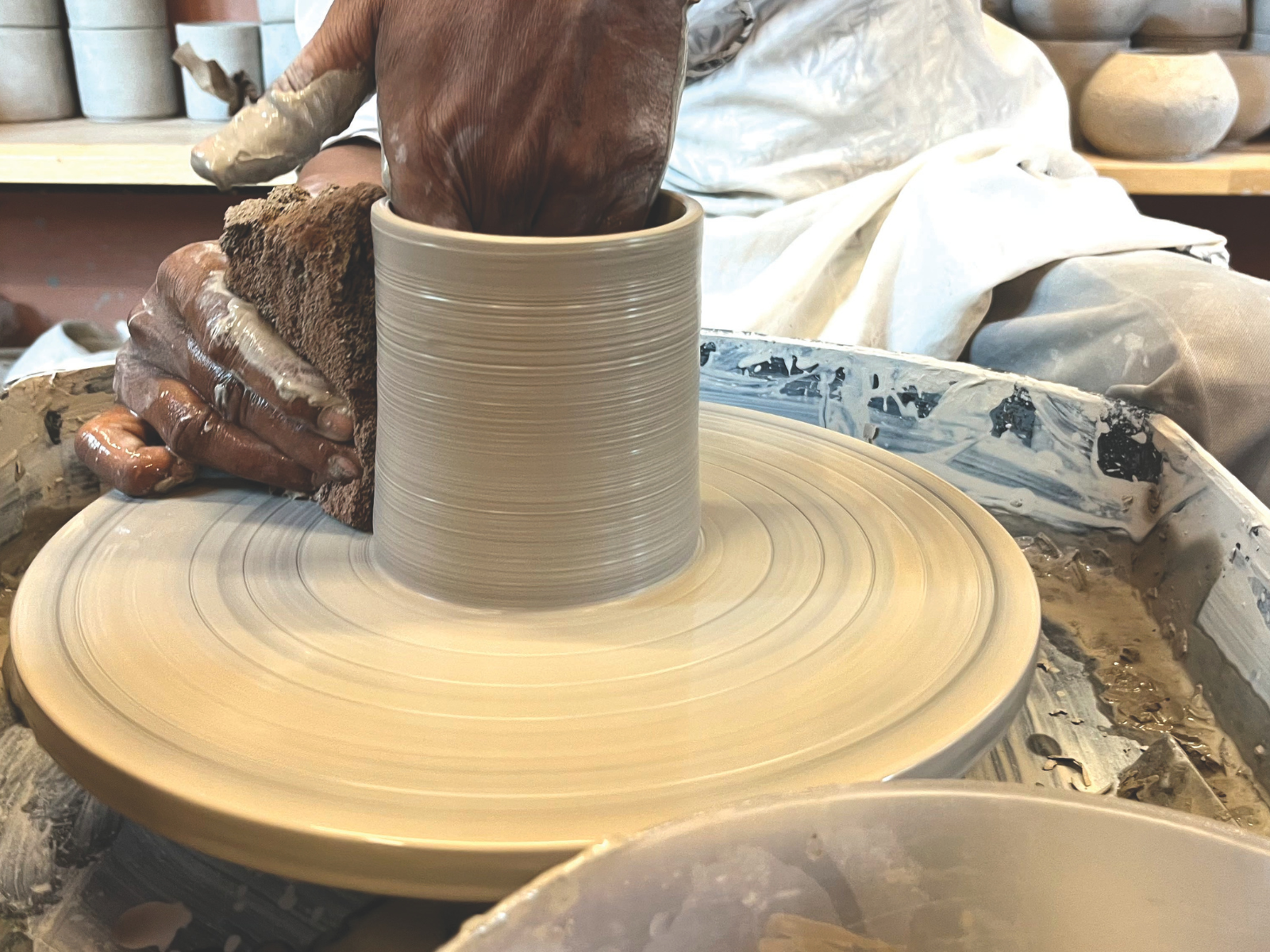
The revival of craft extends beyond wardrobes into living spaces. A Dokra sculpture from Chhattisgarh, a wheel-thrown ceramic platter from Khirki Extension, or a bamboo lamp woven by Assamese artisans lends interiors a sense of narrative and soul. Sourced through cooperatives or fairs such as Dastkar, these objects ground luxury in something enduring.
There is also a moral imperative at play. Nearly 70 per cent of India’s handloom workforce comprises women, and each considered purchase supports livelihoods that are both highly skilled and economically vulnerable.
At its essence, the return to craftsmanship is about endurance. Handcrafted objects age with dignity, accumulating meaning rather than waste. In an era beyond conspicuous display, true luxury lies not in excess, but in intention—woven patiently, shaped deliberately, and made to last.
📚 Read all articles by this author



Leave a Reply