

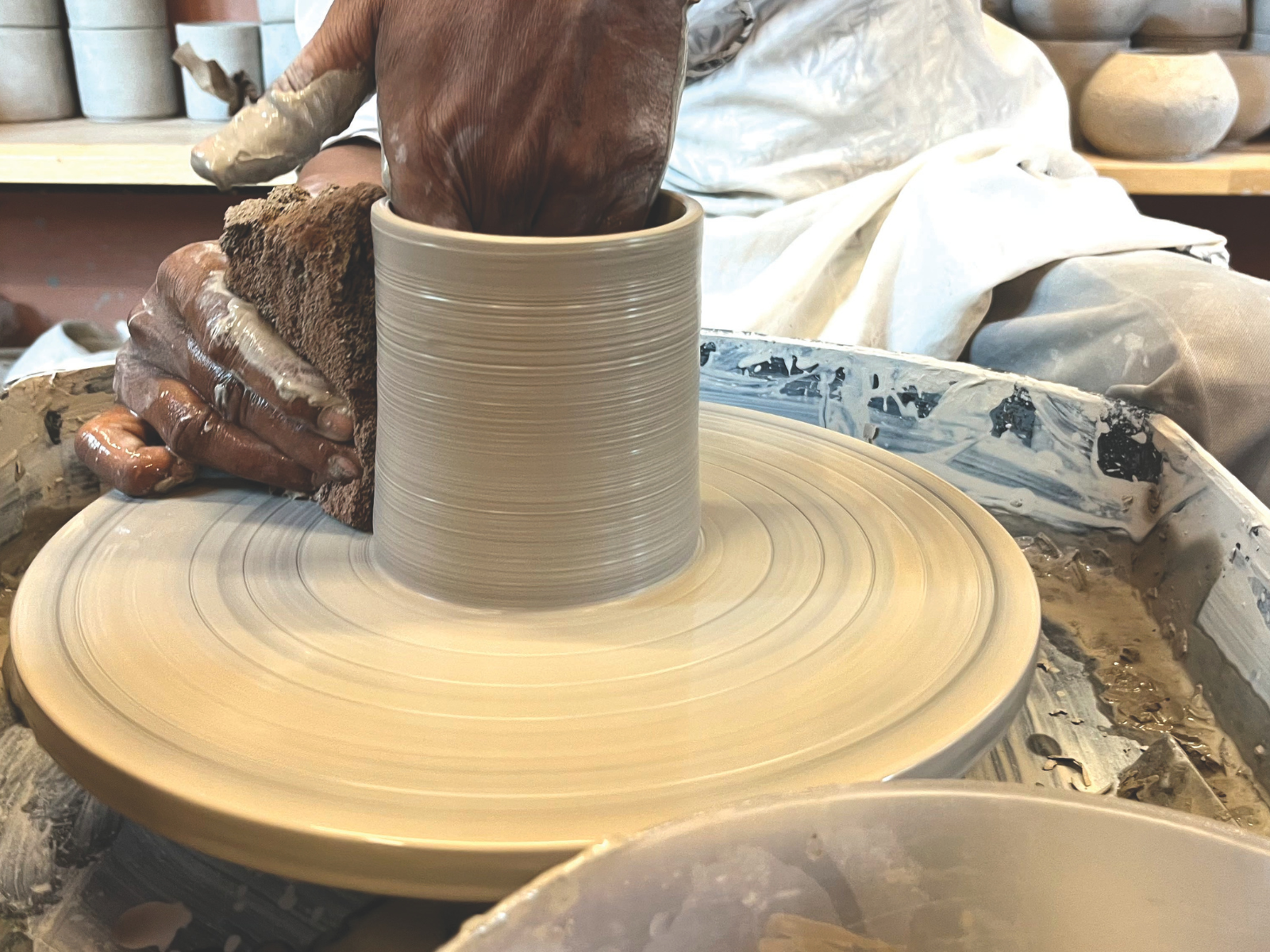
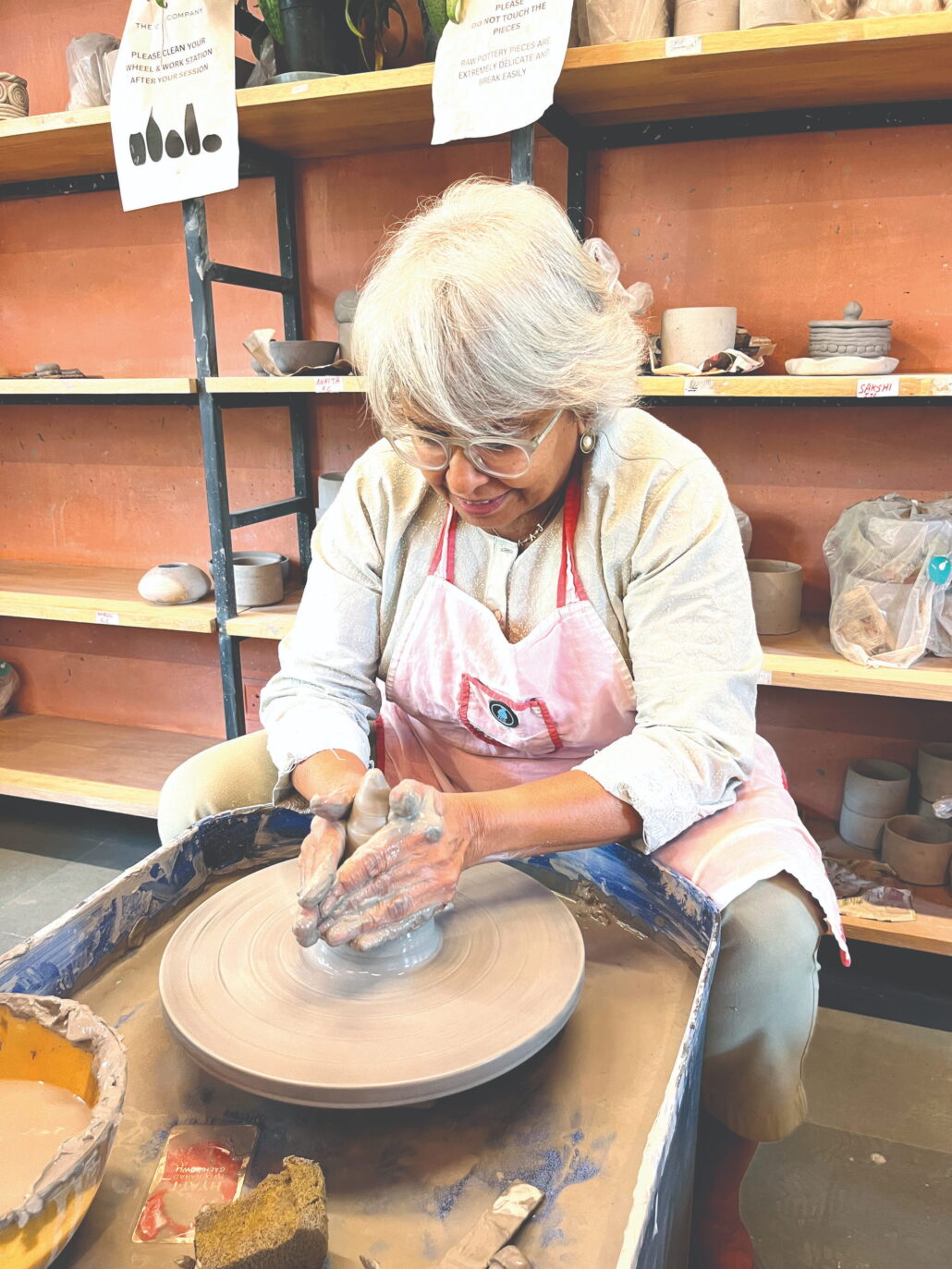
Among the world’s oldest crafts, clay pottery offers more than the pleasure of shaping beautiful objects. Its therapeutic value is widely recognised—slowing the mind, engaging the senses, and creating a calm space for emotional release. Working with clay anchors attention in the present moment, easing anxiety through the simple act of touch.
“By engaging the hands, steadying the mind and opening emotional pathways, pottery becomes a quiet, grounding form of therapy—simple, tactile and deeply restorative,” says Aparna Choudhrie, founder of The Clay Company.
A Personal Discovery
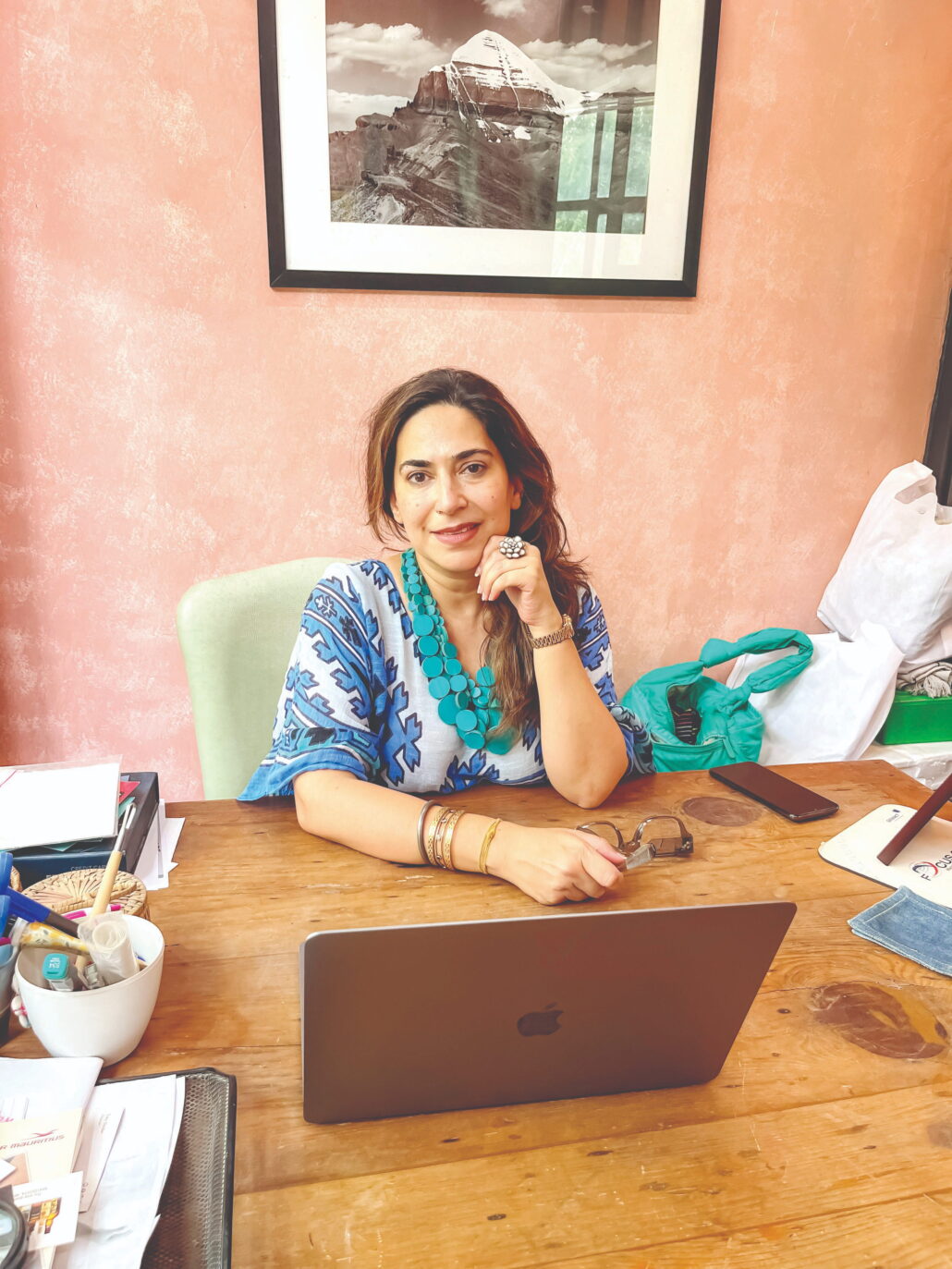
With studios in Gurugram and Delhi’s Nehru Place, The Clay Company is devoted to teaching ceramics and creating small-batch handcrafted pieces. Choudhrie, an alumna of St. Stephen’s College, Delhi, first encountered pottery in 2004 while navigating the demands of a corporate career. “What began as a calming hobby soon became a life-altering passion,” she recalls.
Her journey led her from training under New Delhi potter Monica Grewal to advanced studies at La Meridiana in Tuscany and the Chelsea College of Art in London, followed by specialised Raku training with ceramic artist Manisha Bhattacharya.
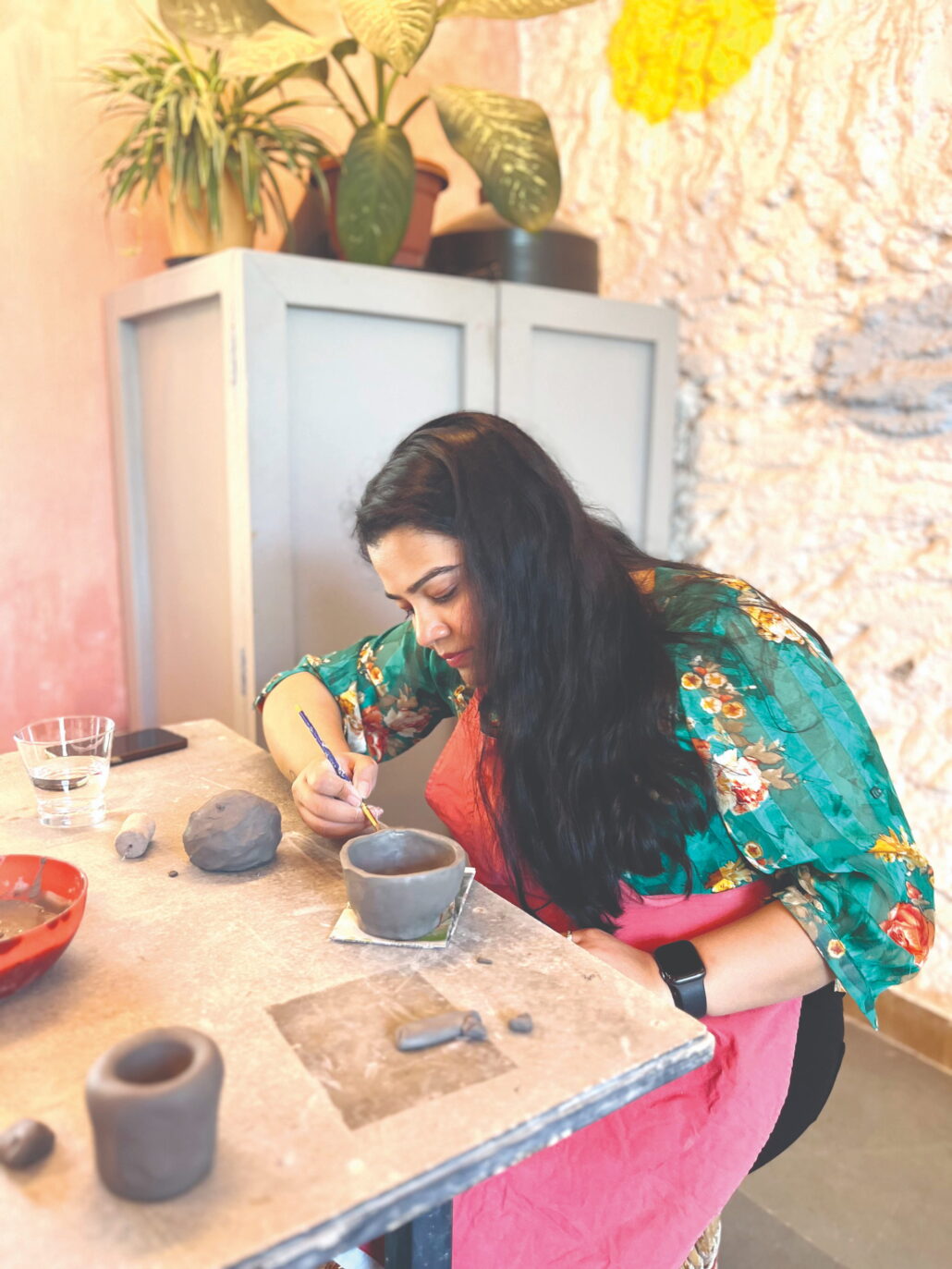
Founded in 2012 as a workshop space, The Clay Company evolved into a full-fledged studio by 2015. Today, it offers classes, collaborations and handcrafted ceramics for homes and businesses alike, while also producing tableware and hosting curated experiences for corporates and families to mark meaningful milestones.
Pottery as Therapy
Experts and practitioners alike attest to the healing power of working with clay. Art therapist Dr. Anita Verma explains, “Clay brings people back into their bodies. Its tactile feedback quiets anxious thoughts almost immediately.”

The repetitive, rhythmic motions of shaping clay naturally induce a meditative state. “You can’t rush clay,” says ceramic artist Rohan Mehta. “The wheel teaches you to breathe and focus—your mind settles without effort.”
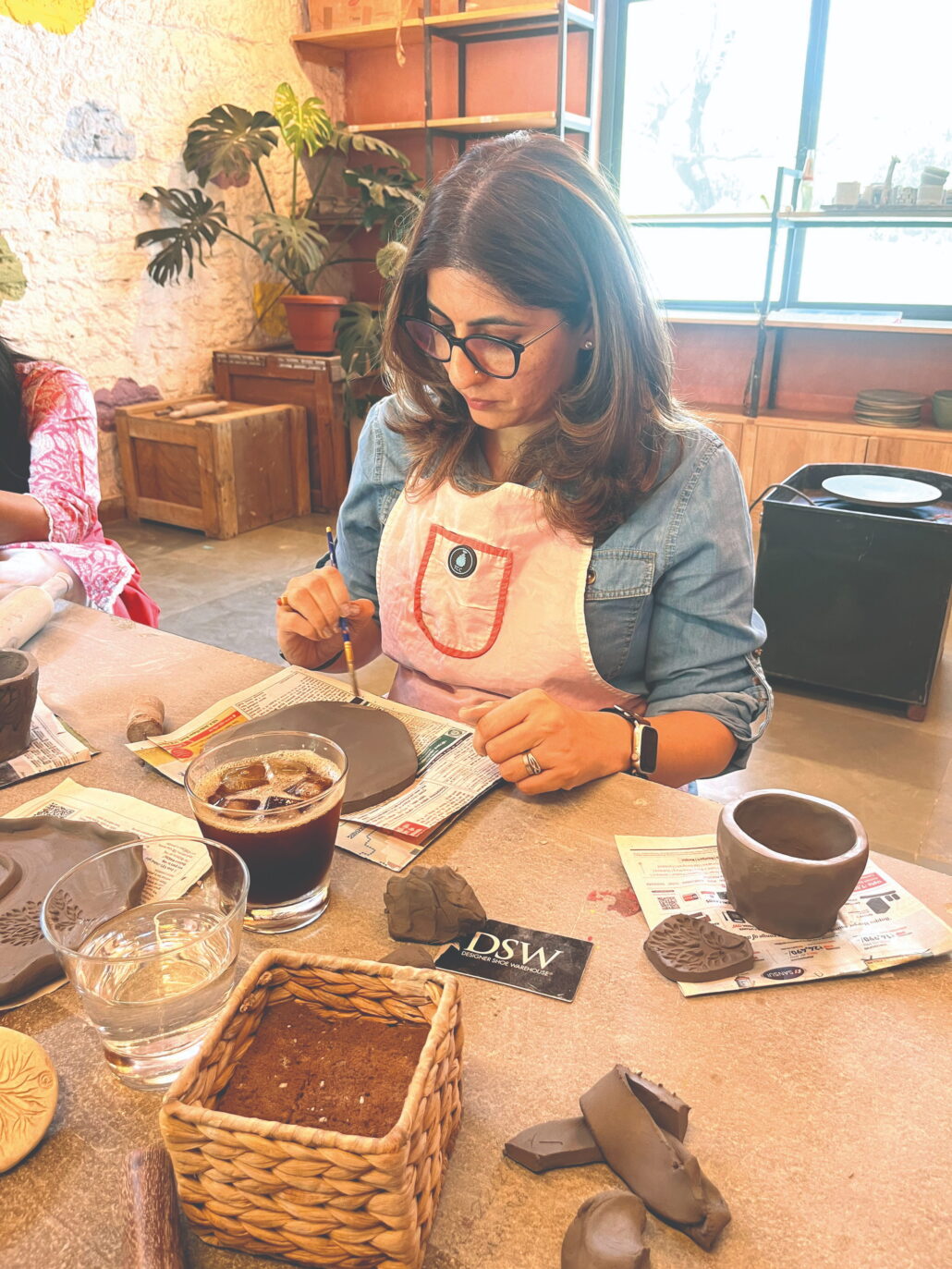
Soft and forgiving, clay becomes a safe channel for emotional expression. Psychologist Dr. Kavita Sharma observes, “People often reveal through their pots what they struggle to put into words.” The process nurtures patience and acceptance, particularly when pieces crack or transform unexpectedly in the kiln.
“The kiln teaches humility,” says studio potter Lata Singh. “You learn to let go.”
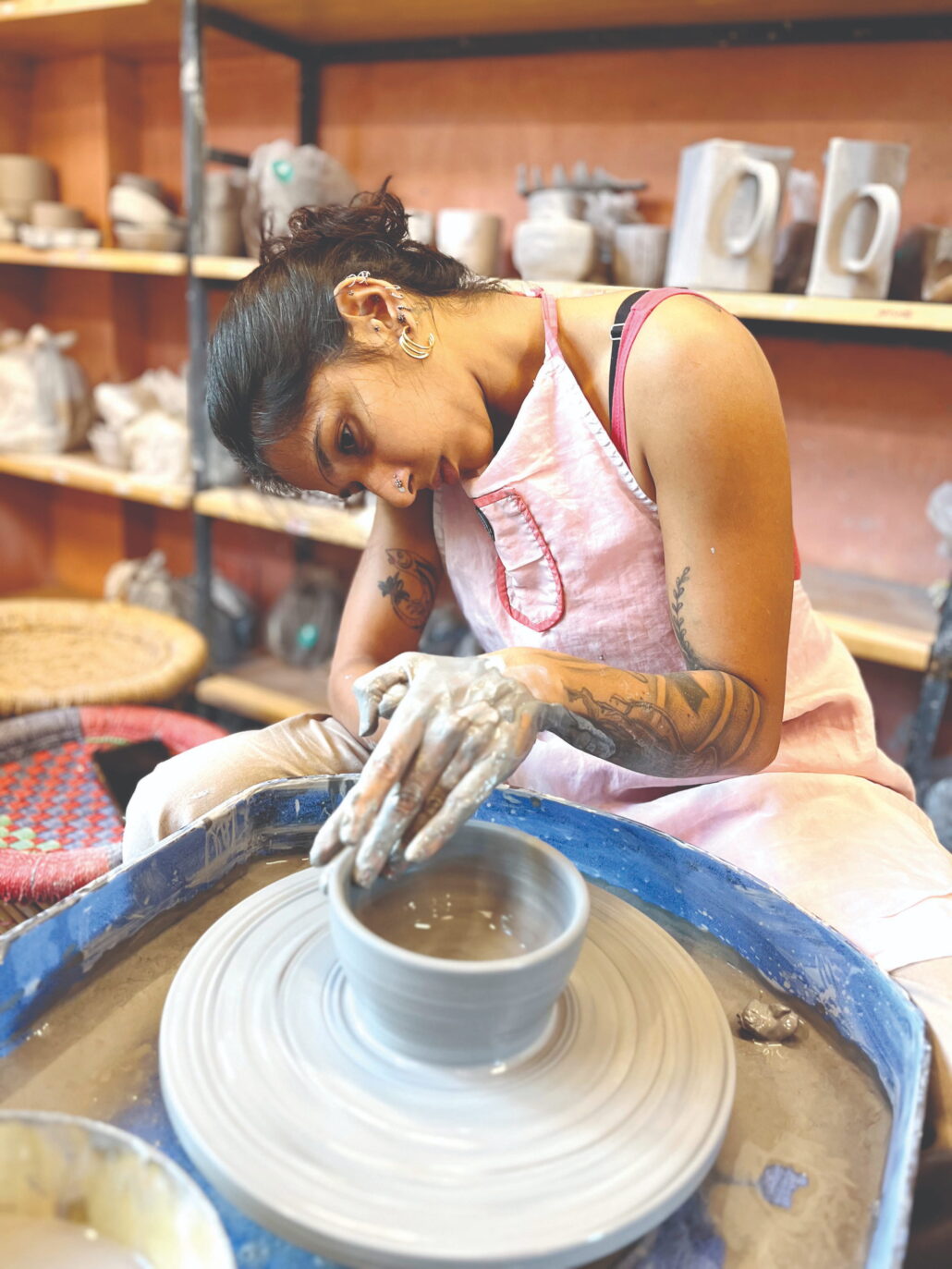
For many, the most powerful moment comes when they hold their finished piece—a quiet affirmation of capability and self-belief. As Choudhrie puts it, “It gives people a confidence they didn’t know they had.”
📚 Read all articles by this author




Leave a Reply