

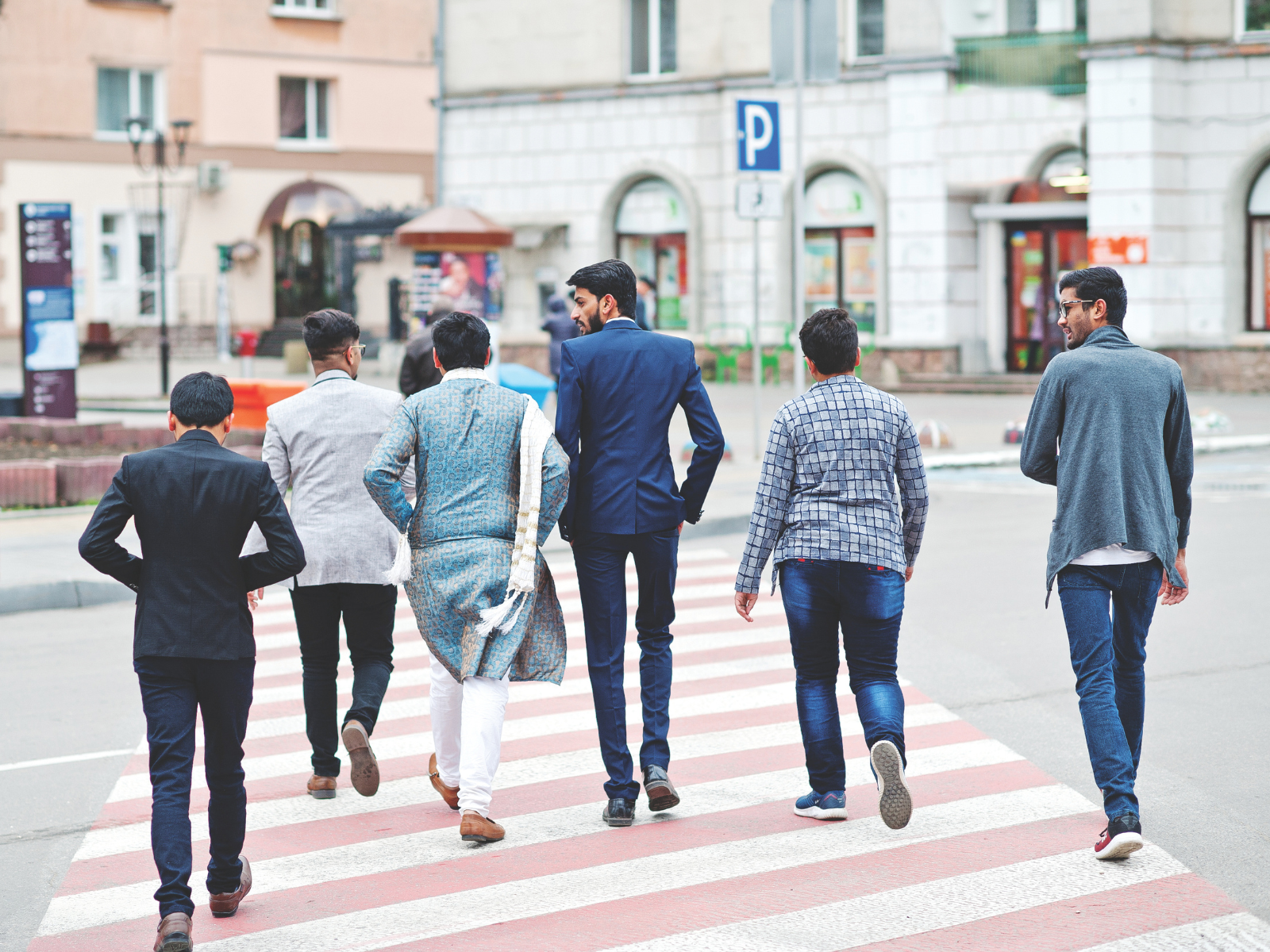
Gurugram: In a city known for its expressways, corporate towers and gated housing complexes, the idea of stepping outside and walking to buy groceries or meet friends at a café may seem unrealistic.
Yet urban planners believe that a shift toward car-light development could offer Gurugram a sustainable and more liveable future.
The concept is simple: cities function best when they are designed around people rather than vehicles.
Danish urban designer Jan Gehl once observed, “If you invite more cars, you get more cars.” Gurugram’s rapid expansion over the past three decades appears to validate that statement.
Built largely around private vehicles and wide arterial roads, the city has achieved speed and vertical growth — but often at the expense of walkability, street culture and neighbourhood cohesion.
Designing Streets for People
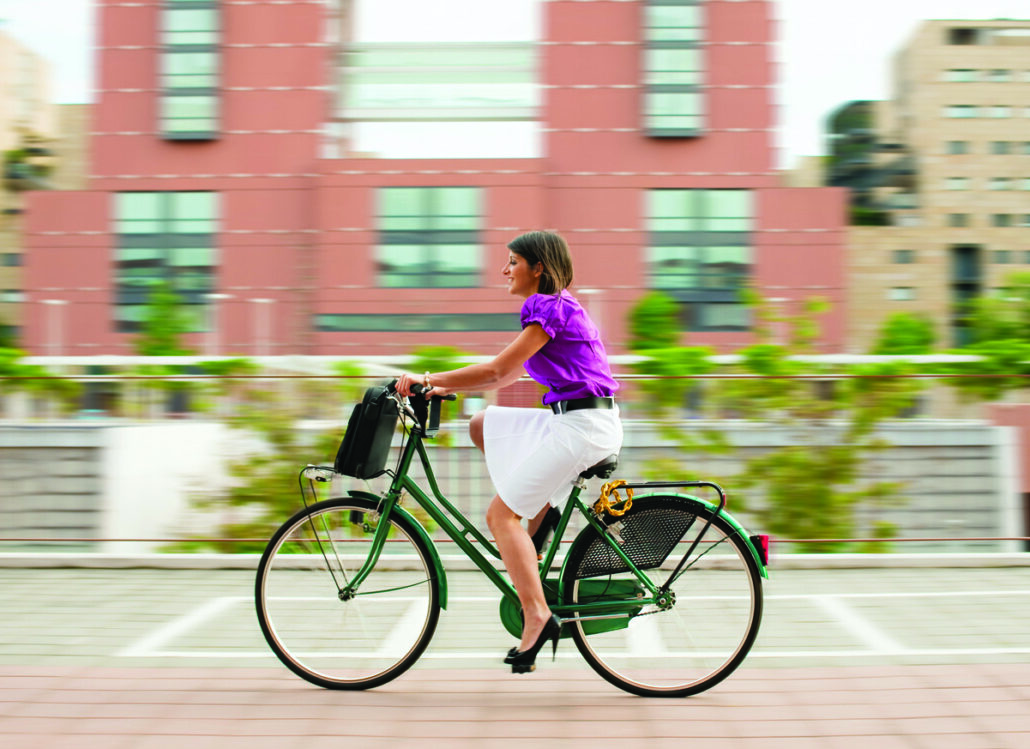
Car-light urbanism does not eliminate cars but reduces their dominance. The approach focuses on mixed-use neighbourhoods where homes, workplaces, markets and parks exist within short distances of one another.
Certain pockets of Gurugram already hint at what this could look like. Galleria Market, the Sector 29 leisure district, South Point Mall, and village clusters such as Nathupur demonstrate how pedestrian-friendly environments can generate commercial vibrancy and community interaction.
Urban placemaking expert Fred Kent, founder of Project for Public Spaces, has long argued that planning cities around public spaces rather than traffic corridors leads to more resilient and liveable communities.
Lessons from Global Cities
Several international cities have implemented policies aimed at reducing car dependency while improving quality of life.
In Barcelona, the “superblock” model restricts through-traffic within designated clusters of streets, freeing interior roads for pedestrians and cyclists.
Ghent redesigned its city centre to discourage car movement while maintaining access through peripheral routes.
Parts of London have introduced low-traffic neighbourhoods to reduce congestion and pollution.
Meanwhile, Paris pedestrianised sections of its core, reporting significant reductions in nitrogen dioxide levels and traffic noise.
Urban policy experts note that such measures often result not only in environmental benefits but also increased retail footfall and safer public spaces.
Environmental and Social Gains
Gurugram faces mounting challenges related to air pollution, rising temperatures and traffic congestion. Car-heavy infrastructure contributes significantly to these concerns.
Reducing asphalt surfaces and increasing tree cover, green corridors and permeable pavements can lower urban heat and improve stormwater absorption. Streets redesigned with shaded sidewalks and cycling tracks encourage active mobility, reducing reliance on fossil-fuel transport.
Financially, road expansion and parking infrastructure require substantial public investment. Redirecting these resources toward public transport, cycling networks and green infrastructure may yield stronger long-term returns.
A Gradual Transition
Urban planners suggest that Gurugram could begin with pilot projects around metro stations, commercial hubs and high-density sectors. Internal streets could prioritise pedestrians and cyclists, while vehicular access remains limited to boundary roads. Delivery systems may be supported through peripheral logistics hubs and electric carts for last-mile connectivity.
Importantly, experts emphasise that the goal is not to ban cars but to restore balance.
A city that encourages walking and cycling often sees greater social interaction, safer neighbourhoods and stronger local economies. Children gain safer outdoor spaces, businesses benefit from slower-moving foot traffic and residents experience reduced noise and pollution.
The Road Ahead
As Gurugram continues to grow, its next phase of development may depend less on expanding highways and more on redesigning neighbourhood streets.
The age of unchecked car expansion appears increasingly unsustainable. A shift toward car-light planning could represent not merely a traffic solution but a broader transformation in how the city defines liveability.
For Gurugram, the path forward may begin not behind the wheel — but on foot.
📚 Read all articles by this author



Leave a Reply