

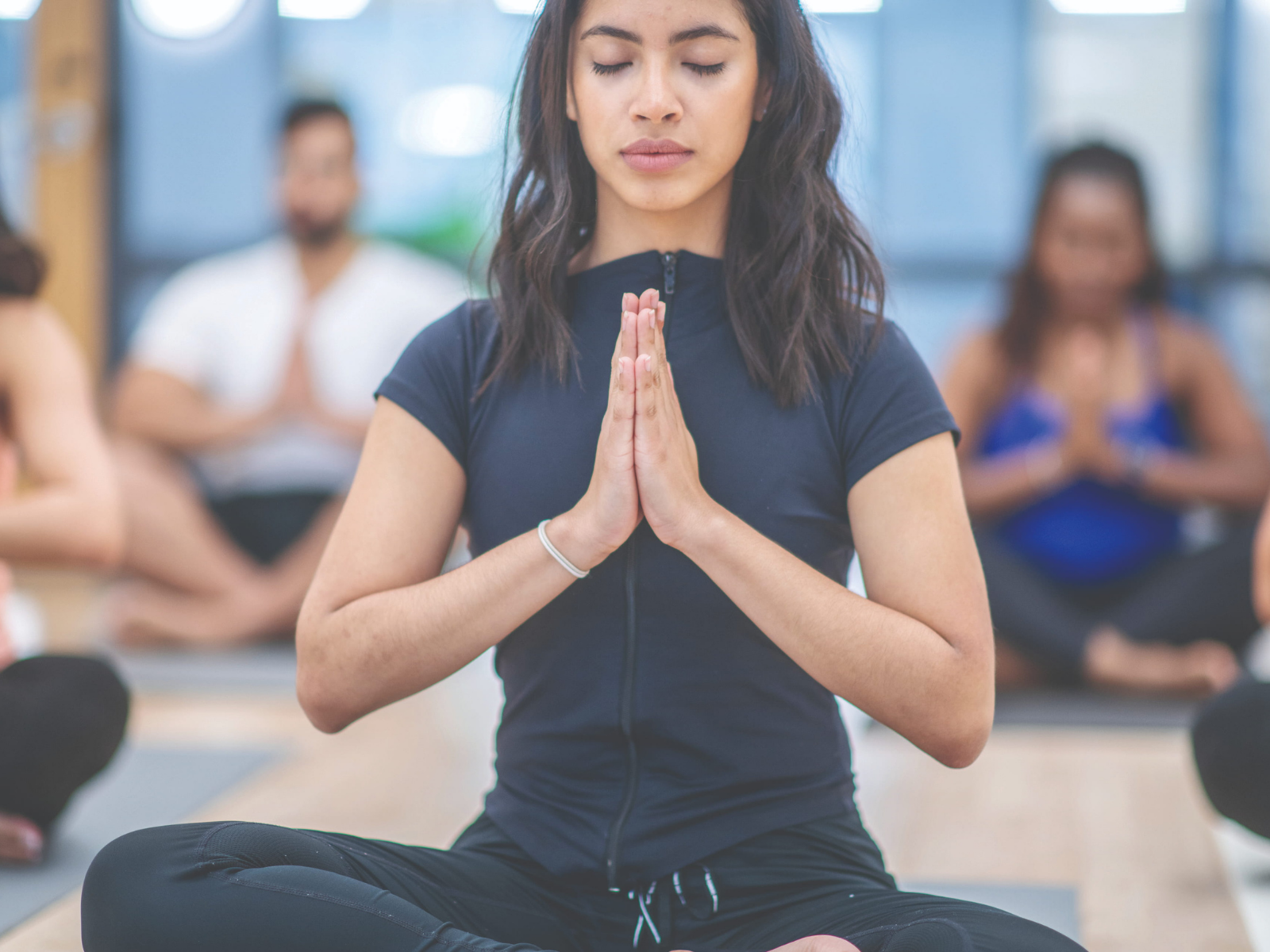
New Delhi: Not long ago, luxury was defined by spectacle — powerful cars, statement jewellery, expansive wardrobes and extravagant social gatherings. Today, that language of excess is steadily giving way to something quieter and more introspective, as emotional wellbeing emerges as a new marker of affluence.

Across global wellness trends, a subtle but significant shift is underway. Increasingly, luxury is being associated not with visible display, but with inner calm, mental clarity and emotional balance. This evolving idea, often described as “emotional luxury,” places value on experiences that nurture psychological wellbeing rather than material accumulation.
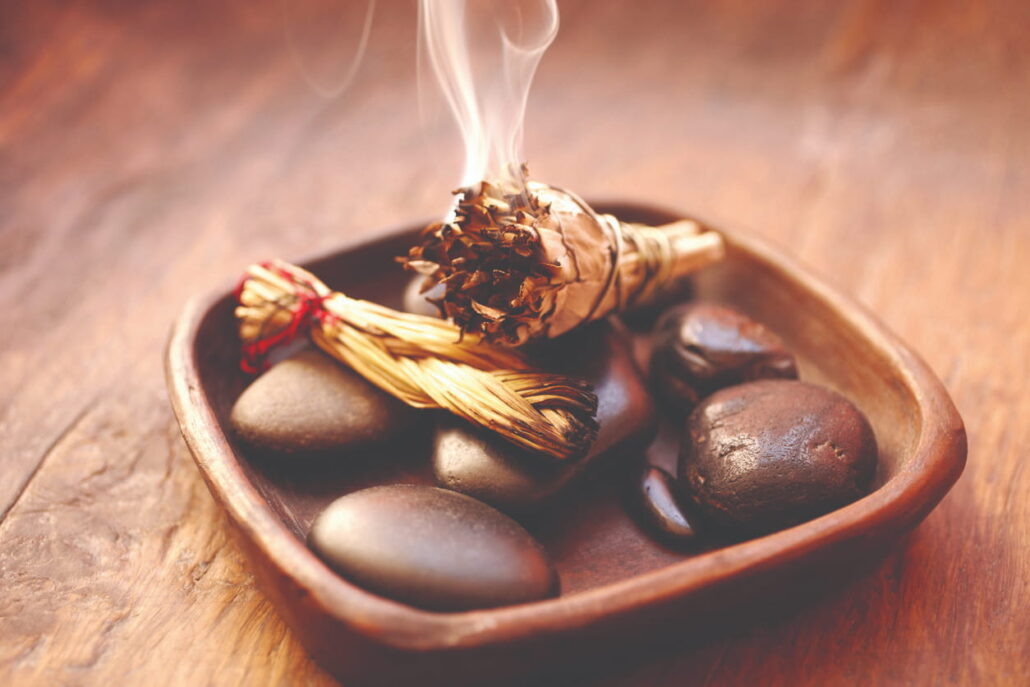
In a fast-paced and digitally saturated world, silence and stillness have become rare. Experts suggest that this scarcity is precisely what makes them desirable. From grief retreats and sound-healing sessions to somatic therapy and nervous system recovery programmes, wellness offerings are adapting to meet a growing demand for emotional restoration.
The shift reflects a broader cultural fatigue. Rising levels of stress, burnout and anxiety have prompted many individuals to reassess their priorities. Instead of seeking escape through consumption, there is a growing inclination toward practices that support long-term mental health and resilience.
Wellness destinations are responding with new formats. Silent dining experiences, emotional detox retreats, breathwork studios and sensory-led spa therapies are increasingly replacing traditional indulgences. The focus is moving away from stimulation and toward restoration, with curated environments designed to help individuals slow down.
Delhi-based psychologist Dr Vimal describes this transition as a natural progression in the wellness space. According to her, earlier approaches often linked wellbeing to productivity and optimisation, whereas current practices emphasise emotional regulation and psychological safety. She notes that individuals are now more intentional about choosing spaces and routines that allow both mind and body to relax.
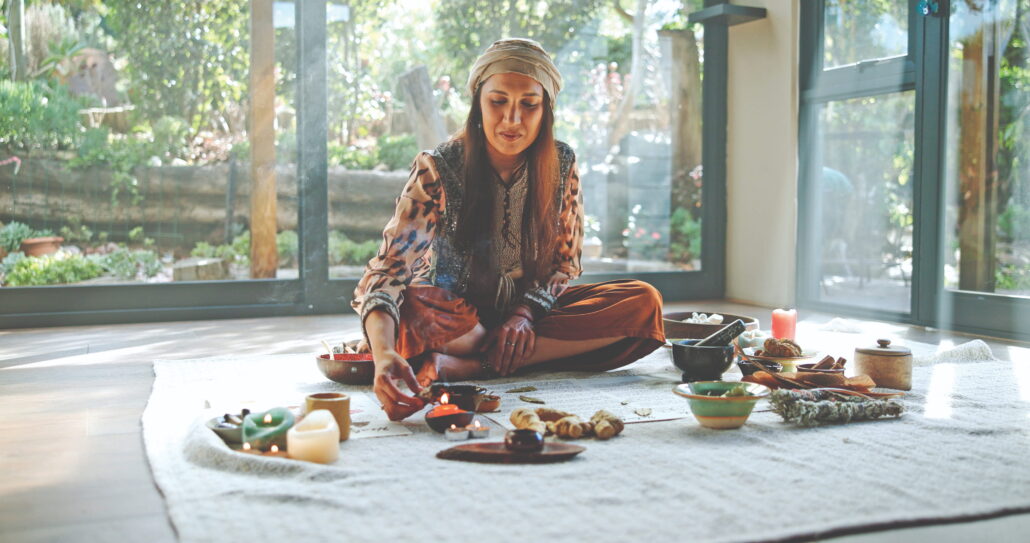
This shift is also visible in social behaviour. In many urban circles, wellness-oriented gatherings are gradually replacing conventional nightlife. Activities such as guided breathwork, ice baths and sound-healing sessions are emerging as alternatives to late-night parties, reflecting changing ideas of leisure and status.
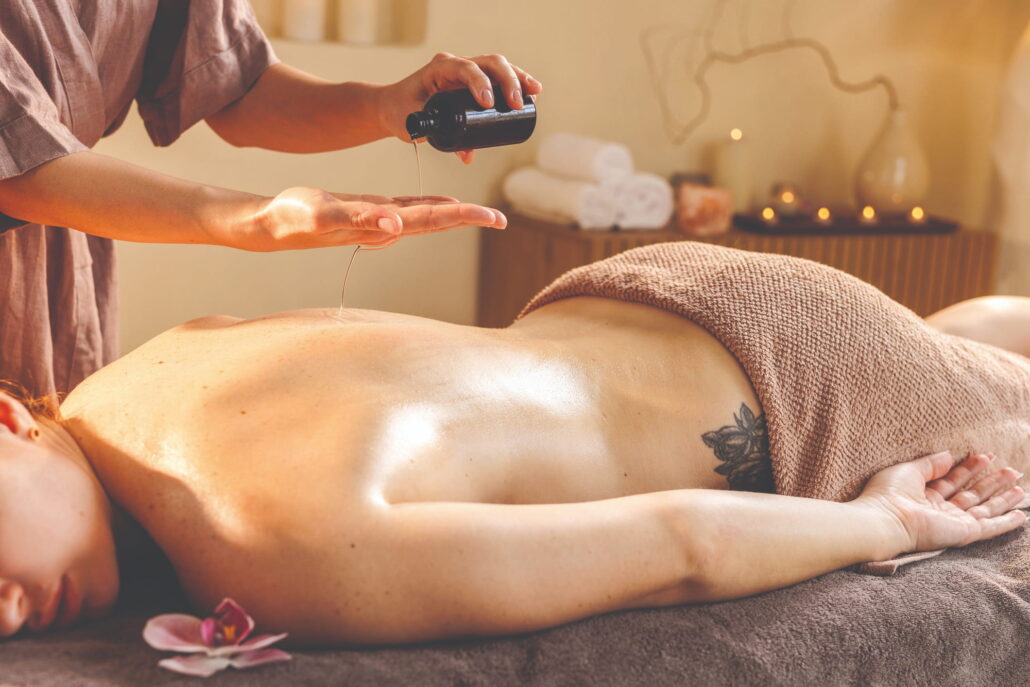
At the core of this movement is a focus on sensory healing. Practices such as aromatherapy, flotation therapy, sound journeys and mindful movement aim to engage the nervous system in ways that promote calm and balance. These experiences are designed to counter the overstimulation of modern life and offer a sense of grounding.
Status, too, is being redefined. Increasingly, it is expressed through self-awareness, emotional clarity and the ability to set boundaries. Choosing rest, slowing down and prioritising mental wellbeing are becoming indicators of a more evolved understanding of success.
As wellness culture continues to evolve, its focus appears to be shifting beyond physical fitness and performance toward emotional intelligence and resilience. In an environment defined by constant activity and distraction, the ability to pause and find calm is emerging as one of the most valued luxuries of all.
📚 Read all articles by this author
Leave a Reply