


When Pearl Khan left her corporate routine to spend a short break at her grandparents’ home in rural Jammu & Kashmir, she expected nostalgia — not transformation. Her plan was simple: document how her grandparents lived their quiet, grounded lives. What she found instead was a profound reminder that life could be meaningful without being manic, abundant without being excessive.
Their days unfolded gently — cooking meals from scratch, tending to the garden, and watching the sun melt into the horizon from the veranda. These moments, unhurried yet full, revealed a truth Pearl had long forgotten: living well doesn’t always mean living fast. She began sharing snippets online — recipes, slow mornings, meditative glimpses of nature — and discovered a community of people seeking the same calm.
Pearl is not alone. Across India, from Gen Z to boomers, a quiet revolution is taking shape. People are questioning the speed at which life moves and reevaluating what it means to succeed. Whether in work culture, travel, fashion, or relationships, slow living is emerging as a gentle rebellion against the cult of busyness.
The Art of Slowing Down
For every professional chasing long hours and endless meetings, there is another ready to reclaim balance. This shift isn’t about escaping responsibility — it’s about redefining worth beyond productivity.
A striking example is billionaire entrepreneur Sridhar Vembu, founder of Zoho. In 2019, he left Silicon Valley for a village in Tamil Nadu’s Tenkasi district, running his company from a modest rural office. By 2022, Zoho’s revenues crossed ₹8,300 crore — proof that success doesn’t need to be chaotic to be powerful.
Slow living is rooted in simple principles:
- Live consciously and align your lifestyle with what you value most.
- Do things better, not faster.
- Prioritise the right things, not everything.
- Presence over productivity — the quality of moments matters more than their number.
- Break the autopilot cycle and make room for reflection and awareness.
“There’s been a noticeable shift in what people desire,” says relationship expert Shangriela Sharma. “The relentless pursuit of success and constant digital connectivity have caused stress to spike. Slow living is, in many ways, a healing response.”
From Himalayas to Hashtags
While slow living feels modern, its roots run deep. Ancient Indian traditions — yogis meditating in the Himalayas, Sufi mystics embracing silence — have long taught the value of simplicity and stillness.
What’s new is how younger generations are reviving and repackaging this wisdom. On Instagram and TikTok, hashtags like #slowliving, #quietquitting, #lazyjobs, #antigirboss mark a cultural shift away from hustle culture. Influencers such as Cherry Sin, who documents his minimalist mountain life, have become role models for those craving calm. His feed — open-sky workouts, home-cooked meals, and reflections on slower days — often invites comments like: “He’s living every guy’s dream.”
Slow Journeys, Deeper Stories
Travel is one of the most visible realms of change. The era of checklist tourism is fading, replaced by slow travel — journeys that prioritise connection over consumption.
Startups like Map My Stories curate immersive itineraries: cooking with locals, learning crafts, or staying long enough to soak in the rhythm of a place.
“Slow travel is resonating deeply with modern travellers,” notes Krishna Rathi of Agoda.
Fashion That Lasts
Wardrobes are slowing down too. While fast fashion still tempts shoppers, a rising number are choosing slow fashion — sustainable, thoughtful, and built to last.
Brands like Nicobar, Okhai, and Ilamra have built loyal communities that prefer timeless craftsmanship over trends. The revival of handwoven Banarasi sarees, Kutch embroidery, and other heritage textiles reveals a deeper longing: reconnecting with cultural memory.
“Wearing slow fashion isn’t just about sustainability,” says designer Rina Patel. “It’s about honouring centuries of craft.”
A Toolkit for Slowing Down
Contrary to popular belief, you don’t need to move to the mountains to live slowly. The shift begins with intentional choices:
- Identify what truly matters to you.
- Simplify your calendar and protect nourishing moments.
- Practice journaling or meditation.
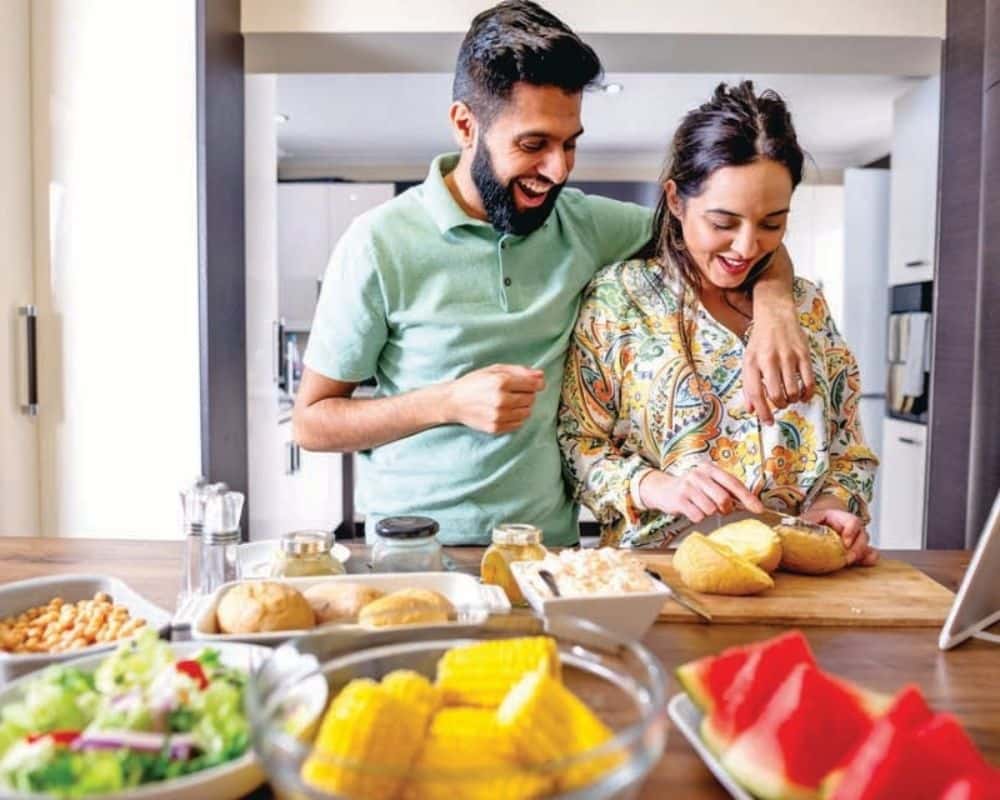
- Cook more often.
- Declutter — Marie Kondo’s spark joy method is a powerful place to start.
Slow living is not a retreat from life — it’s a return to it.
More Than a Trend
What started as a response to burnout has evolved into a cultural movement. Slow living isn’t about doing less — it’s about doing what matters, with intention.
For Pearl, it’s time in her grandparents’ kitchen using homegrown ingredients.
For Vembu, it’s building a billion-dollar company from a quiet village.
For Cherry Sin, it’s lifting weights under the open sky, guided only by the rhythm of day.
As Pearl once wrote,
“Sometimes the greatest luxury isn’t having more. It’s having enough.”
📚 Read all articles by this author


Leave a Reply