

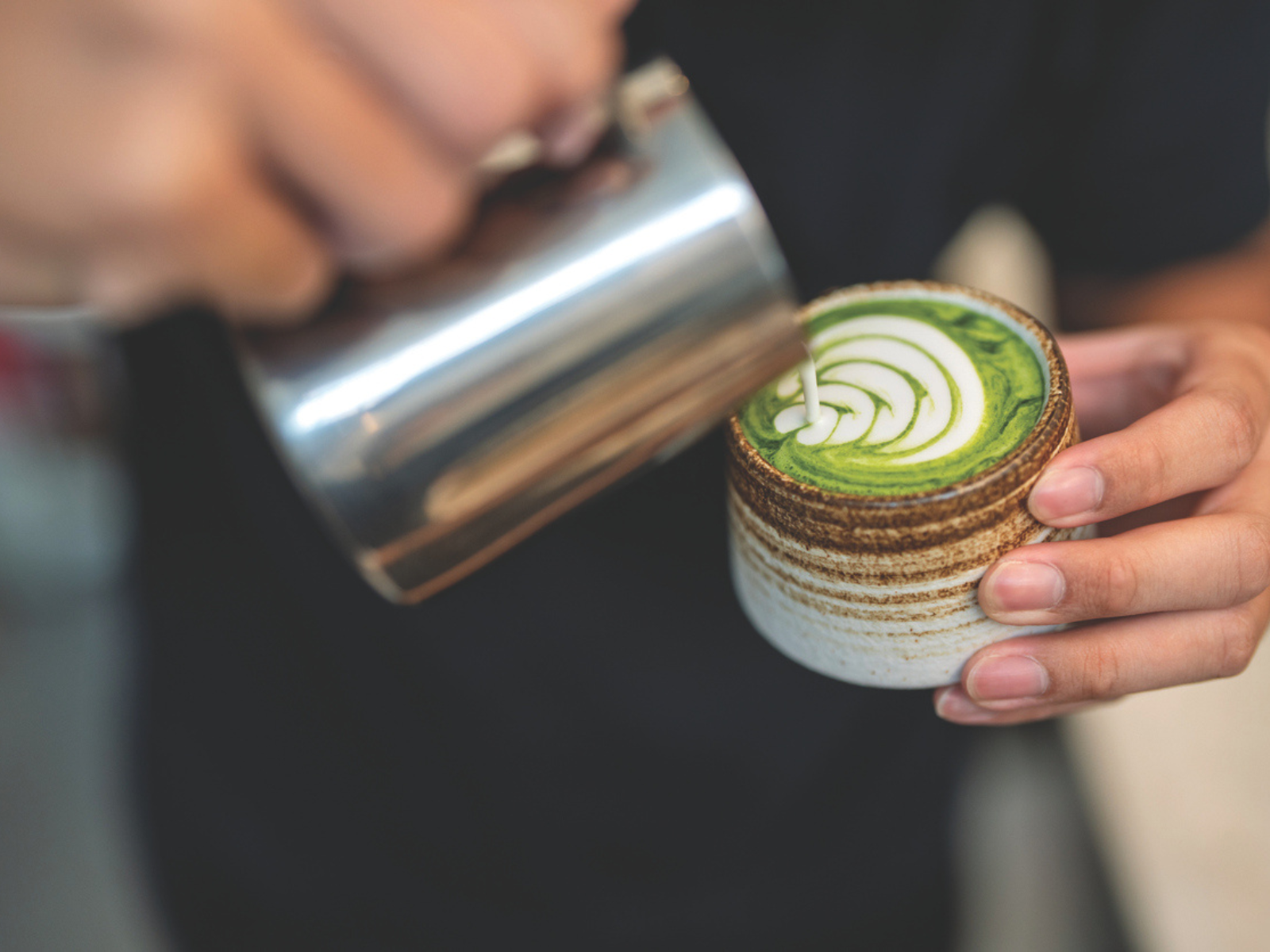
Matcha, a finely milled powder made from specially cultivated green tea leaves, has emerged as a global wellness staple. Once rooted in traditional tea rituals, it has now become part of daily routines for health-conscious consumers around the world.
Its bright green hue and distinct earthy, umami flavour show up everywhere—from lattes and desserts to beauty and skincare products.
A major part of matcha’s appeal lies in its nutritional profile. It is packed with antioxidants, particularly catechins such as EGCG, which are associated with anti-inflammatory benefits and overall cellular health.
Matcha also contains L-theanine, an amino acid known to support calm focus. When combined with caffeine, L-theanine helps deliver sustained energy without the spikes and crashes often linked to coffee, resulting in a balanced state of alertness.
This global popularity is reflected in India as well, especially among urban millennials and wellness enthusiasts. Cafés across major cities now serve matcha-based drinks and treats, positioning them as wholesome alternatives to coffee. Social media influencers and wellness experts frequently feature matcha in their daily routines, while food and beauty brands continue to launch matcha-infused snacks, supplements and skincare products.
As demand grows for clean, plant-based options that offer both taste and functionality, matcha’s presence is set to expand further. Whether embraced as a coffee substitute, a link to tea traditions, or a mindful source of energy, matcha combines heritage, health and versatility—earning its place in today’s wellness-focused lifestyles.
📚 Read all articles by this author



Leave a Reply