


From AI lovers to Instagram envy, modern couples are battling relationship challenges their parents could never have imagined. Infidelity today has taken a new shape — and sometimes, it doesn’t even involve another human being.
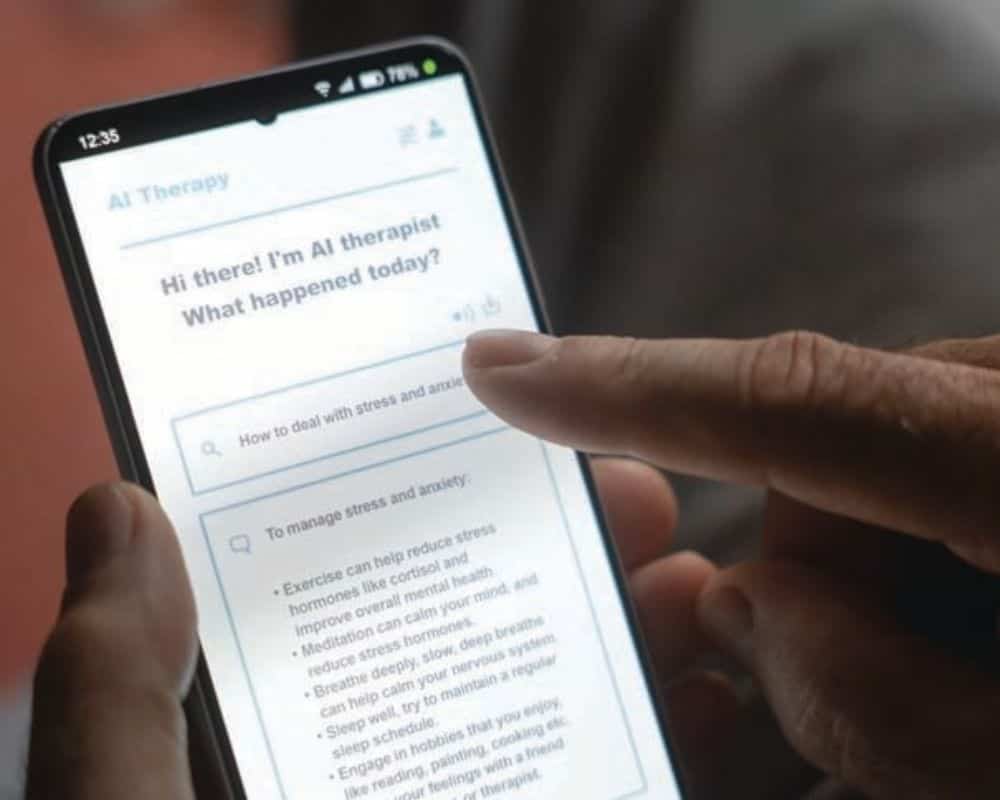
Psychologists report a rising number of couples where one partner feels betrayed by the other’s emotional attachment to AI chatbots or virtual companions.

“I found my husband pouring his heart out to a bot at 2 am,” recalls Neha Malhotra, 34, a corporate lawyer. “He insisted it was harmless, but to me, it felt like betrayal.”
Experts agree. “Emotional infidelity doesn’t need another human anymore,” says Dr. Aditi Mehra, couples therapist. “Even virtual intimacy can shake trust to its core.” In a hyper-digital world, the line between connection and disloyalty has never been thinner.
Bedroom Battles
Behind closed doors, desire is evolving. Therapists increasingly talk about the porn gap — where one partner consumes much more online erotica than the other, creating mismatched expectations. Many also describe roommate syndrome, when couples drift into routine and domesticity, forgetting about romance entirely.
Ananya and Vivek, a Delhi couple married for 15 years, shared:
“We realised we hadn’t kissed properly in months. We still loved each other, but it felt like co-parenting, not romancing.”
For therapists, these confessions are pivotal. Intimacy today is not just about passion — it’s about protecting closeness against digital distraction.
Social Media Wars
Instagram has become an invisible third wheel in many relationships. Couples fight over likes, follows, heart emojis, and cryptic selfies.
“Validation-seeking online has become a third party in many marriages,” says Dr. Mehra.
What may seem harmless — a like on an ex’s bikini photo — can trigger disproportionate jealousy.
“When he liked that picture, I exploded,” says Shalini, 29. “He thought I was overreacting, but to me, it felt like betrayal in plain sight.”
Social media’s endless comparison, exposure, and voyeurism have blurred emotional boundaries more than ever before.
Therapy-Speak Trouble
Another unexpected battle? Therapy jargon.
“You’re gaslighting me.”
“Stop being a narcissist.”
Once tools for understanding emotional patterns, these terms are now often misused as weapons.
“Psychology language, meant for healing, is being thrown around as accusations,” warns Dr. Kaul. “It creates more division than connection.” Therapists now spend time un-teaching buzzwords and re-teaching actual listening.
Love, Rewired
Modern love is also grappling with new relationship models — polyamory, open marriages, and ethical non-monogamy. Curiosity is rising in India’s metros, but that doesn’t mean couples are ready.
Sonia, 37, who explored an open relationship, shares:
“It sounded liberating, but jealousy hit harder than expected. It’s not as simple as the podcasts make it sound.”
Experts say the desire for authenticity and freedom is real, but these choices require deep communication, emotional maturity, and honesty — far more than many expect.
The Human Anchor
Amid the chaos of sexting culture, AI companions, digital jealousy, and redefined intimacy, therapists insist on one truth: the foundation of love hasn’t changed.
Couples still crave the same things — safety, understanding, being seen.
“No app, no AI, no Instagram feed can replace the intimacy of being truly known by your partner,” says Dr. Mehra.
In the age of artificial intelligence and curated digital lives, perhaps the most radical act of love is still the simplest: showing up for each other, fully human.
📚 Read all articles by this author



Leave a Reply