

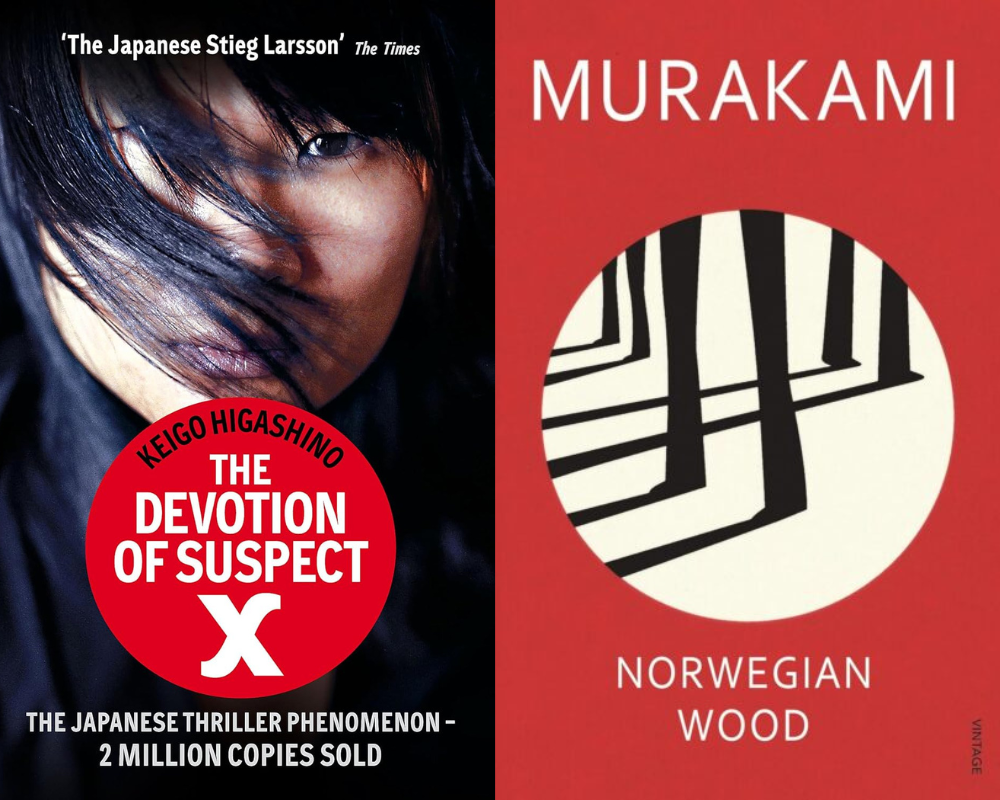
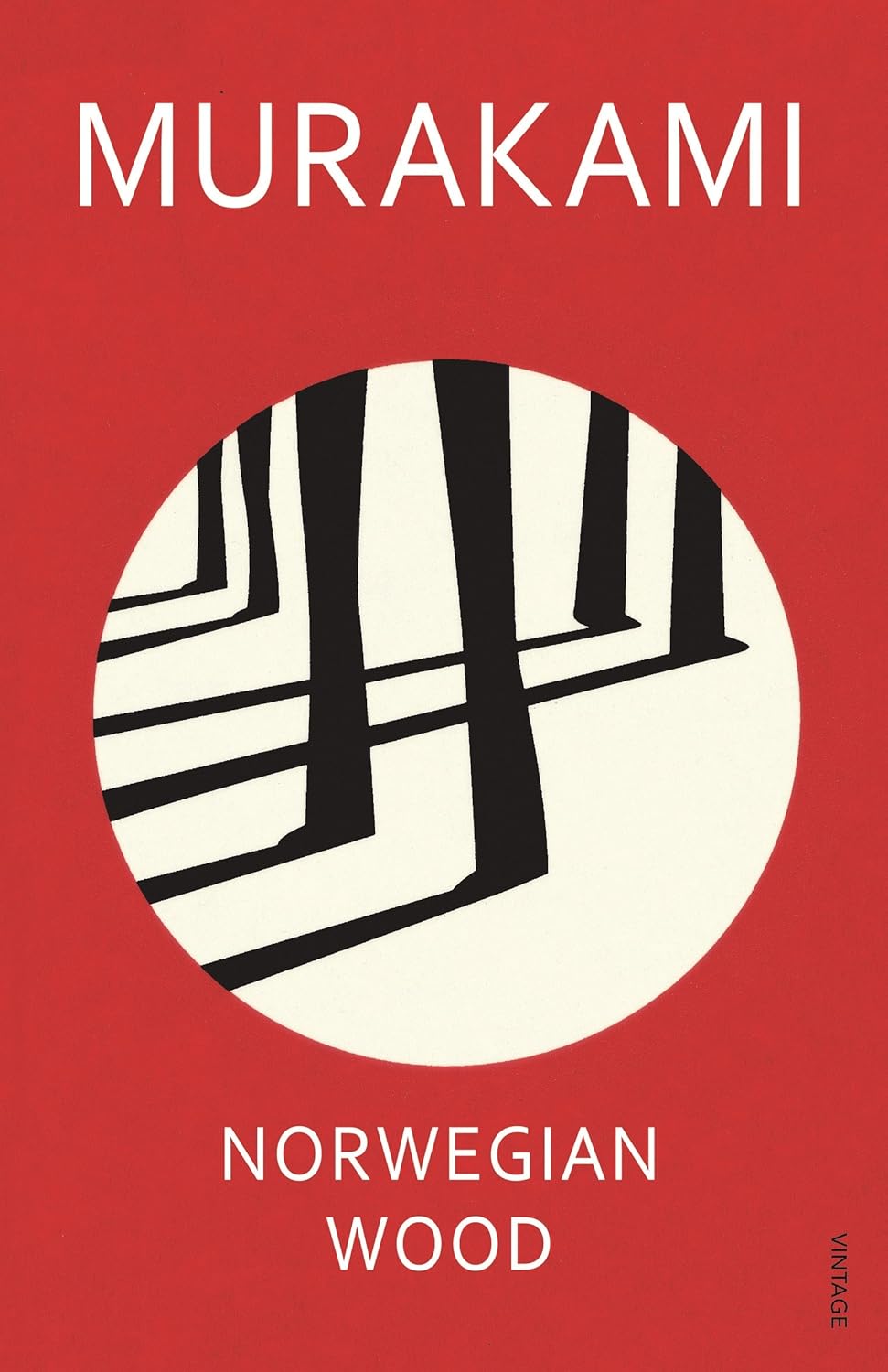
At seventeen, I stumbled across Norwegian Wood by Haruki Murakami without the faintest idea of the emotional labyrinth I was about to walk into. It didn’t read like a typical novel; it felt more like lying under a quiet tree on a slow afternoon, watching clouds drift across an open sky. Soft, contemplative, and almost painfully intimate, it taught me that literature isn’t always about the story—sometimes it’s about the silences between the words, the moods hidden in the margins, and the gentle slowing of time.


That discovery became the beginning of my fascination with Japanese literature. I’ve always believed that to find extraordinary books, you must first sit through a few ordinary ones. But once I entered the world of Japanese prose, I realised it wasn’t just another genre—it was an entirely different way of experiencing thought, emotion, and beauty. Its slowness wasn’t a flaw; it was the point.
My journey naturally led me to works like Snow Country by Yasunari Kawabata, a novel so delicate it feels like it might melt in your hands. Kawabata writes with sparseness, yet every sentence thuds with longing and quiet ache. His prose creates a world where isolation becomes poetry and simplicity becomes profound. Reading him is like stepping into a winter night where every sound echoes a little deeper.
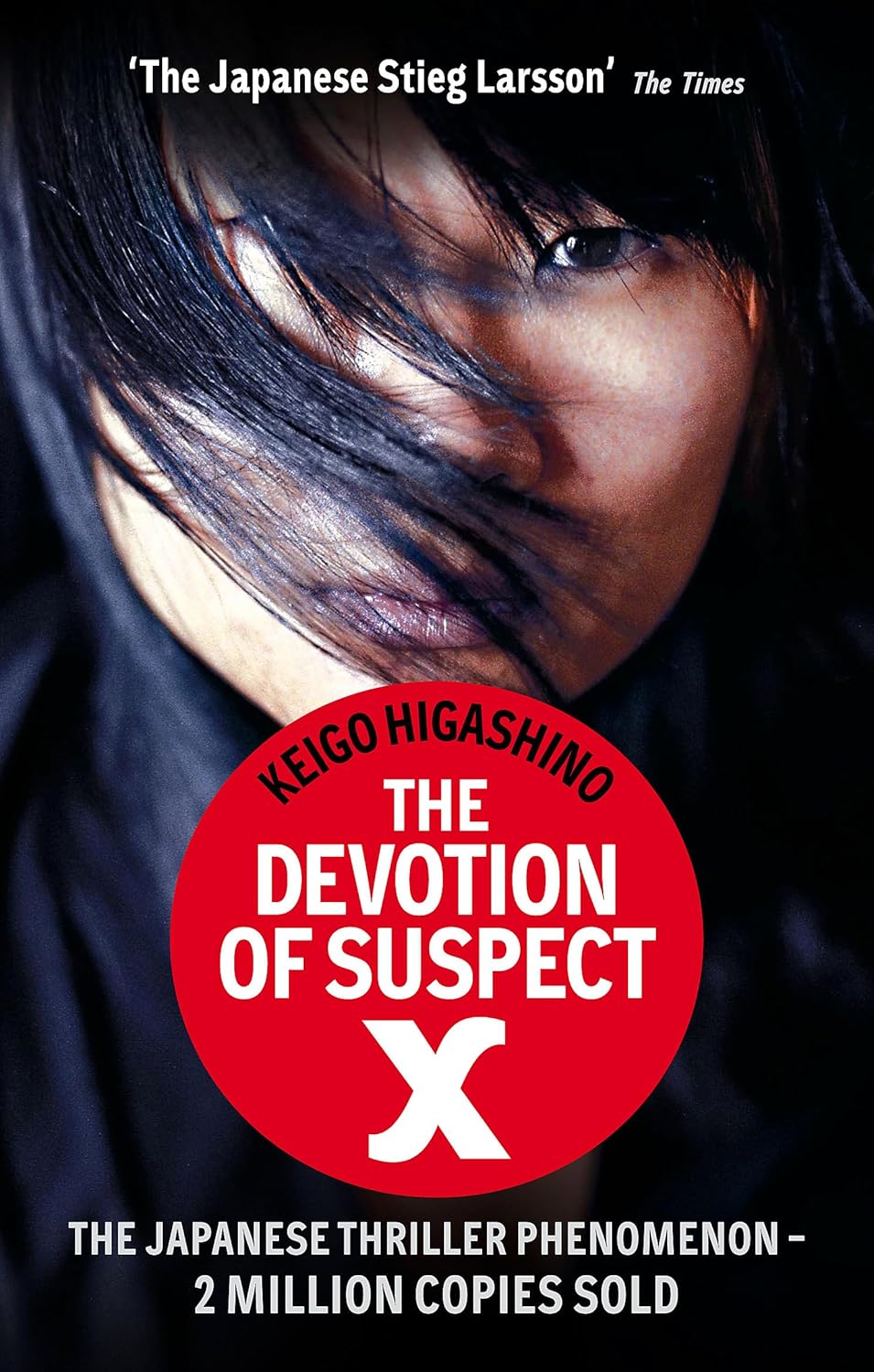
And then there was Keigo Higashino. You’d think crime fiction would snatch you into fast-paced chaos, but Higashino does the opposite. In The Devotion of Suspect X, he builds tension slowly, deliberately, almost meditatively. His mysteries don’t chase thrills; they explore morality, love, sacrifice, and the fragile reasoning behind human choices. After spending time with his writing, Western thrillers begin to feel impatient—like they’re sprinting toward a finish line while you’re still admiring the atmosphere of the scene.
What I love most is how Japanese books mirror the essence of Japanese life itself: philosophical, minimalistic, deeply respectful of small joys and quiet imperfections. Before the Coffee Gets Cold by Toshikazu Kawaguchi captures this beautifully. A tiny café, a warm cup of coffee, and the possibility of time travel—yet none of it feels loud or dramatic. It’s about the people, the regrets they carry, the love they couldn’t express, and the moments they wish they could revisit. Still, I often imagine how differently Indians would behave in that café—ordering chai instead of coffee, turning it into a noisy adda, arguing over time-travel loopholes, and almost certainly forgetting to return to the present.
But Japanese literature isn’t only whimsical or philosophical; it is also deeply healing. Books like Days at the Morisaki Bookshop by Satoshi Yagisawa use bookstores and dusty shelves as metaphors for second chances. Similarly, Strange Weather in Tokyo by Hiromi Kawakami offers a tender romance so subtle it feels like walking through an evening mist. They aren’t plot-driven stories; they’re emotional shelters where you rest, breathe, and heal a little.
Of course, this kind of slow, atmospheric writing isn’t for everyone. For readers who crave action, drama, or rapid dialogue, Japanese literature can feel painfully slow—like waiting for water to boil. But for those who surrender to its rhythm, something magical happens. The quiet becomes meaningful. The pauses become poetic. The seemingly mundane moments—pouring tea, walking home, reading in silence—begin to shimmer with emotional depth.
That is the quiet rush of Japanese prose. It doesn’t try to impress you with noise or drama. Instead, it gently pulls you inward, asking you to listen, to feel, and to reflect. Once you learn to appreciate its subtlety, its softness becomes irresistible, and the world inside these books becomes a refuge. You begin to understand that sometimes the most powerful stories are the ones that whisper.
📚 Read all articles by this author




Leave a Reply