

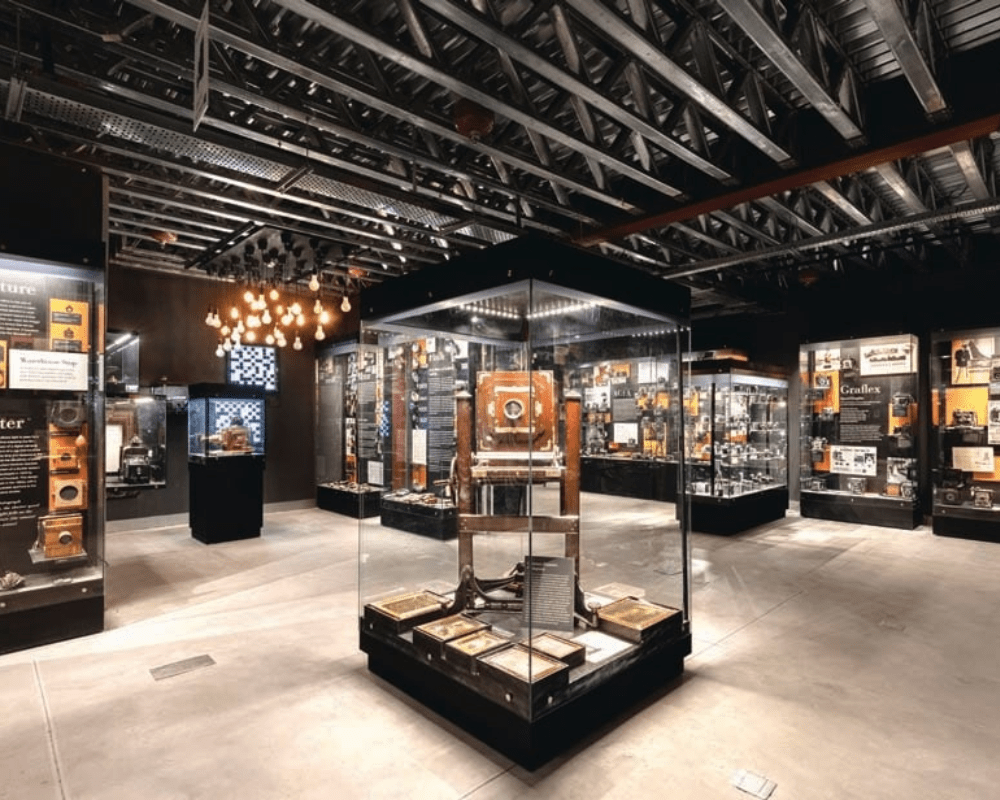
On a crisp autumn evening in Gurugram, a bustling restaurant tucked off Golf Course Road draws crowds — yet it is far from ordinary. It sits inside Museo Camera: Centre for the Photographic Arts, South Asia’s largest not-for-profit photography museum. Here, cameras, photographs, and visual stories are transformed into a living dialogue between art, history, and community.
The space is a cultural playground — offering curated libraries, photography exhibitions, lectures, workshops, and even impromptu photo sessions — blending cuisine and culture into an immersive experience. Recently, Condé Nast Traveller India named it among Delhi NCR’s “9 Best Museums”, reflecting the vision of its founder, photographer and collector Aditya Arya.
The Making of a Museum

Spanning 18,000 square feet across three levels, Museo Camera houses over 2,500 cameras and hundreds of original prints, tracing photography from the 1850s to the digital age. While the infrastructure was state-supported, Arya relied on crowdfunding to design interiors and enrich the collection with his personal archive of cameras, equipment, and prints.
A Collector’s Journey
Arya’s fascination with photography began early. With free access to St. Stephen’s College library, he explored magazines and dreamt of a life behind the lens. Apprenticed to the legendary Kulwant Roy at sixteen, he mastered printmaking and later ventured into advertising and still photography, including for Kundan Shah’s cult classic Jaane Bhi Do Yaaron.
Over the years, Arya’s global scavenging — from antique markets to London’s Portobello Road — yielded rare finds, like the Lucida camera, pivotal in shaping 19th-century portraits. “Sometimes, when you desire something deeply, the world conspires to let you have it,” he reflects.
The Value of Visual Memory
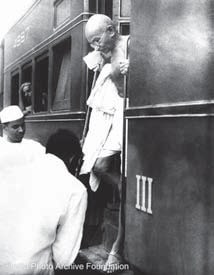
For Arya, photography is priceless testimony. From Gandhi’s Salt March and Partition’s exodus to royal portraits by Lala Deen Dayal and landscapes by the Daniells, photographs are tangible echoes of the past. “Images preserve collective and personal memory — reminders of eras we must not forget,” he says.
More Than a Museum
Beyond exhibits, Museo Camera has become a cultural hub. It hosts art openings, music programs, weekend farmers’ markets, and corporate events. An open library and film-stock availability cater to analogue enthusiasts, even as digital photography flourishes. “Both forms have their place,” Arya notes.
A Living Dialogue
Museo Camera is less about nostalgia and more about conversation — between art and audience, history and modernity, tradition and technology. It is both archive and agora, preserving photography’s past while inviting engagement and reinterpretation. As Arya puts it:
“The museum is not just about cameras. It is about stories, about seeing differently, about celebrating the very act of looking.”
📚 Read all articles by this author



Leave a Reply