

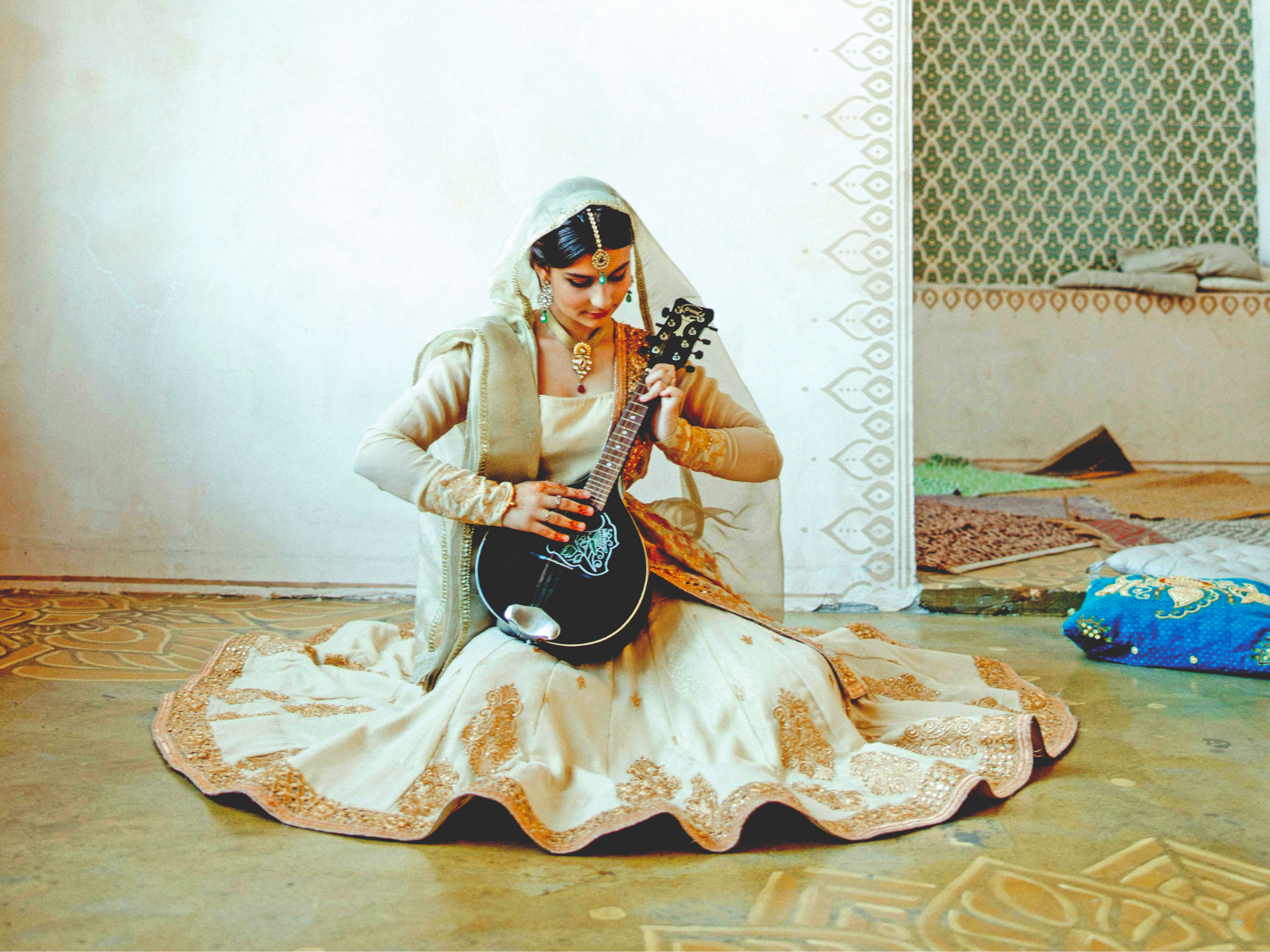

New Delhi: In the capital’s evolving social landscape, a new form of cultural gathering is quietly redefining sophistication. From candlelit havelis in Old Delhi to high-rise penthouses in Gurugram, curated musical evenings are transforming entertainment into immersive, intimate experiences.
These gatherings blend Indian classical traditions with global influences, creating a distinct soundscape where sitar and tabla meet saxophone, guitar and jazz improvisation. Music, once a backdrop to social occasions, is now taking centre stage as the defining element of elite soirées.

Across Delhi and Gurugram, private salons and invite-only events are gaining popularity among audiences seeking a more meaningful cultural experience. Here, genres such as Hindustani classical, Sufi, jazz and global fusion are no longer treated separately but are woven together into cohesive performances that appeal to both tradition and modernity.

In Vasant Kunj, an initiative called “Upstairs with Us,” led by Sukanya Banerjee and Tejas Jaishankar, reflects this shift toward intimate listening spaces. Hosted in a living room setting, these small, ticketed gatherings recreate the traditional baithak format, where music unfolds slowly and organically. Performances often feature instruments like the sarangi and tabla in extended improvisation, accompanied by home-cooked meals that deepen the sense of community.
Jazz fusion has also found a strong foothold in these circles, with artists experimenting by blending ragas with improvisational Western structures. The result is an atmosphere that balances contemplation with energy. In Gurugram, Sufi music — including qawwalis and ghazals — adds emotional depth to private celebrations, particularly weddings and curated social events, where traditional forms are reinterpreted with contemporary elements.

What distinguishes these gatherings is careful curation. Music selections, whether live or recorded, draw from a global palette, combining Hindustani and Carnatic influences with elements of soul, rock and folk. The ambience is deliberately understated, allowing the performance to unfold gradually and engage listeners in a shared cultural moment.
Events such as “The Songbook of Qawwals” further blur the line between performance and dialogue. Rooted in Indo-Persian traditions, these presentations explore Sufi and Bhakti compositions with nuance, inviting audiences into a layered musical experience that bridges history and modern expression.
At the same time, experimentation continues to shape this emerging culture. Many artists are incorporating hip-hop, electronic music and even Bollywood elements into traditional frameworks, creating a sound that resonates with younger audiences while retaining its classical foundation.
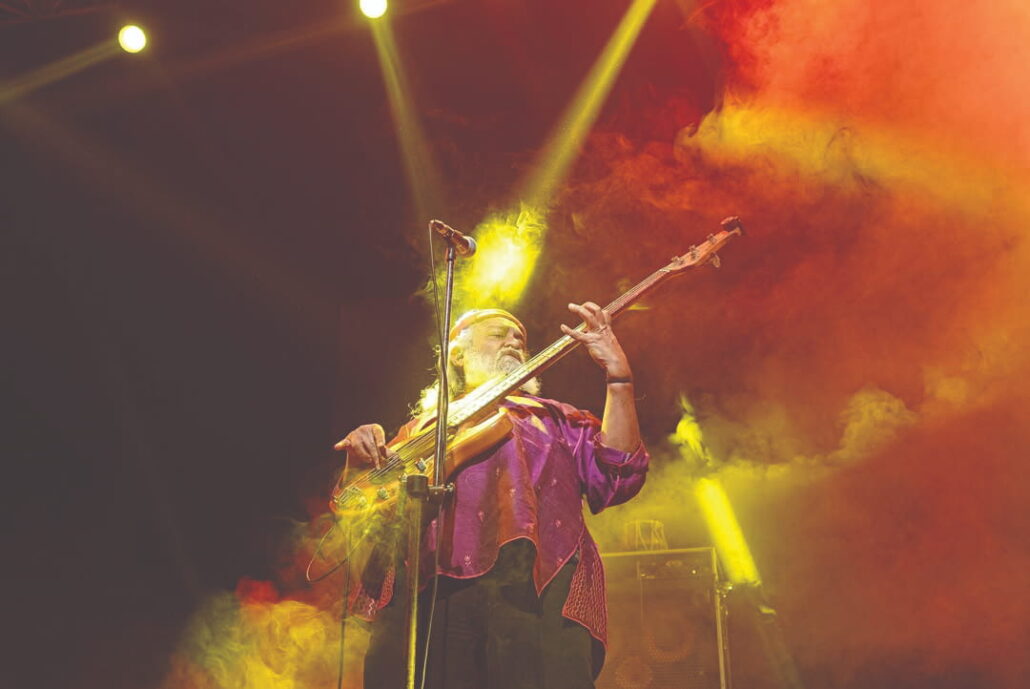
From private residences to curated cultural venues, these gatherings are fostering a new kind of social experience in Delhi and Gurugram — one where music becomes not just entertainment, but a medium of connection, memory and identity.
📚 Read all articles by this author



Leave a Reply